
Some people in Pennsylvania start searching for a depression psychiatrist after weeks of telling themselves they should be able to push through. Work feels heavier. Texts go unanswered. Simple tasks like showering, opening mail, or making dinner start to feel oddly complicated. By the time someone opens a browser and types in a phrase like “depression psychiatrist near me,” they're often not looking for theory. They're looking for relief, clarity, and a way to function again.
That search can also bring up confusion. Should someone see a psychiatrist, a therapist, a psychologist, or a psychiatric nurse practitioner? Does online depression treatment really work? Is medication the only option? Those questions are common, and they deserve direct answers.
Table of Contents
- The Search for Depression Care in Pennsylvania
- What a Depression Focused Psychiatric Provider Does
- Modern Treatment Approaches for Depression
- Navigating Telepsychiatry for Depression in Pennsylvania
- How to Choose Your Provider and What to Expect
- Your Partner in Recovery Integrative Psychiatry Of America
The Search for Depression Care in Pennsylvania
A common Pennsylvania scenario looks like this. Someone keeps showing up to work, keeps taking care of other people, and keeps saying “it's just stress.” Then concentration drops, sleep shifts, motivation disappears, and the day starts to revolve around getting through the next hour.
That experience is more common than many people realize. The CDC reported that during August 2021 to August 2023, 13.1% of people age 12 and older had depression in a given 2-week period, and among those with depression, 87.9% reported at least some difficulty with work, home, or social activities, according to the CDC depression data brief. Depression affects how people function, not just how they feel.
For many adults, the hard part isn't recognizing that something is wrong. The hard part is deciding that the problem deserves care. Searching for a depression psychiatrist, a depression medication provider, or telehealth psychiatry in Pennsylvania isn't overreacting. It's a practical response to a condition that can interfere with daily life in visible and invisible ways.
Getting evaluated for depression is no different in principle from getting evaluated for chest pain, migraines, or insomnia. The symptoms may be emotional, but the impairment is real.
Pennsylvania residents also face a practical issue. Access can be uneven depending on where they live, how far they can travel, and how quickly they need an appointment. That's part of why many people now look for online options after learning more about the mental health provider shortage in Pennsylvania.
The first step doesn't have to be dramatic. It just has to be honest. If depression is affecting energy, interest, sleep, focus, or the ability to function, it's reasonable to ask for professional help.
What a Depression Focused Psychiatric Provider Does
A depression-focused psychiatric provider evaluates symptoms, makes a diagnosis when appropriate, rules out other causes, and builds a treatment plan that can include medication, psychotherapy, lifestyle work, and follow-up monitoring. Individuals seeking a Depression psychiatrist typically expect this full set of functions, not just a prescription.
In Pennsylvania, that care may come from a psychiatrist or from a psychiatric mental health nurse practitioner. Both can play central roles in depression treatment. The most important question usually isn't title alone. It's whether the provider is trained to assess depression carefully, prescribe when indicated, and manage treatment over time.
Evaluation comes first
A strong evaluation doesn't start with medication. It starts with questions. Diagnosis of major depressive disorder is based on DSM-5 criteria, which require at least five symptoms during the same 2-week period, with at least one being depressed mood or loss of interest or pleasure, as outlined in the clinical overview of major depressive disorder.
A qualified provider also screens for issues that can look like depression or worsen it, including substance use, medication effects, and medical conditions such as thyroid problems. Suicide risk assessment is part of standard, responsible care. So is asking about anxiety, trauma, ADHD, sleep, and prior treatment history.
People who want a simple description of physician training can also review this overview of a board certified psychiatrist. For people comparing care models more broadly, this guide on psychiatric NP vs psychiatrist helps clarify differences in role and scope.
Mental Health Professionals at a Glance
| Provider Type | Primary Degree | Can Prescribe Medication? | Primary Focus |
|---|---|---|---|
| Psychiatrist | MD or DO | Yes | Diagnosis, medication management, medical psychiatric care |
| Psychiatric Nurse Practitioner | MSN, DNP, or other advanced nursing degree with PMHNP certification | Yes | Diagnosis, medication management, psychiatric assessment, supportive and therapeutic care |
| Psychologist | PhD or PsyD | No | Psychological testing, psychotherapy, behavioral interventions |
| Therapist | LCSW, LPC, LMFT, or similar | No | Talk therapy, coping skills, relationship and behavioral support |
Treatment is adjusted over time
Depression treatment rarely works as a one-time decision. A provider watches for patterns. Is the patient sleeping better but still unable to focus? Did mood improve while side effects became a problem? Is anxiety driving the depression, or is untreated trauma keeping symptoms active?
Practical rule: Good depression care is active care. If a plan isn't helping, the response shouldn't be “wait indefinitely.” It should be reassessment and adjustment.
That's one reason many patients do well with a psychiatric provider who can stay involved over time. The work includes diagnosis, medication management, therapy-informed support, coordination with therapists, and ongoing monitoring of what's changing in real life.
Modern Treatment Approaches for Depression
A common first visit goes like this. Someone says, "I know I need help, but I do not know whether I need medication, therapy, or both." That uncertainty is normal. Good depression treatment starts by matching the plan to the symptoms, the level of impairment, prior treatment history, and the patient's preferences.
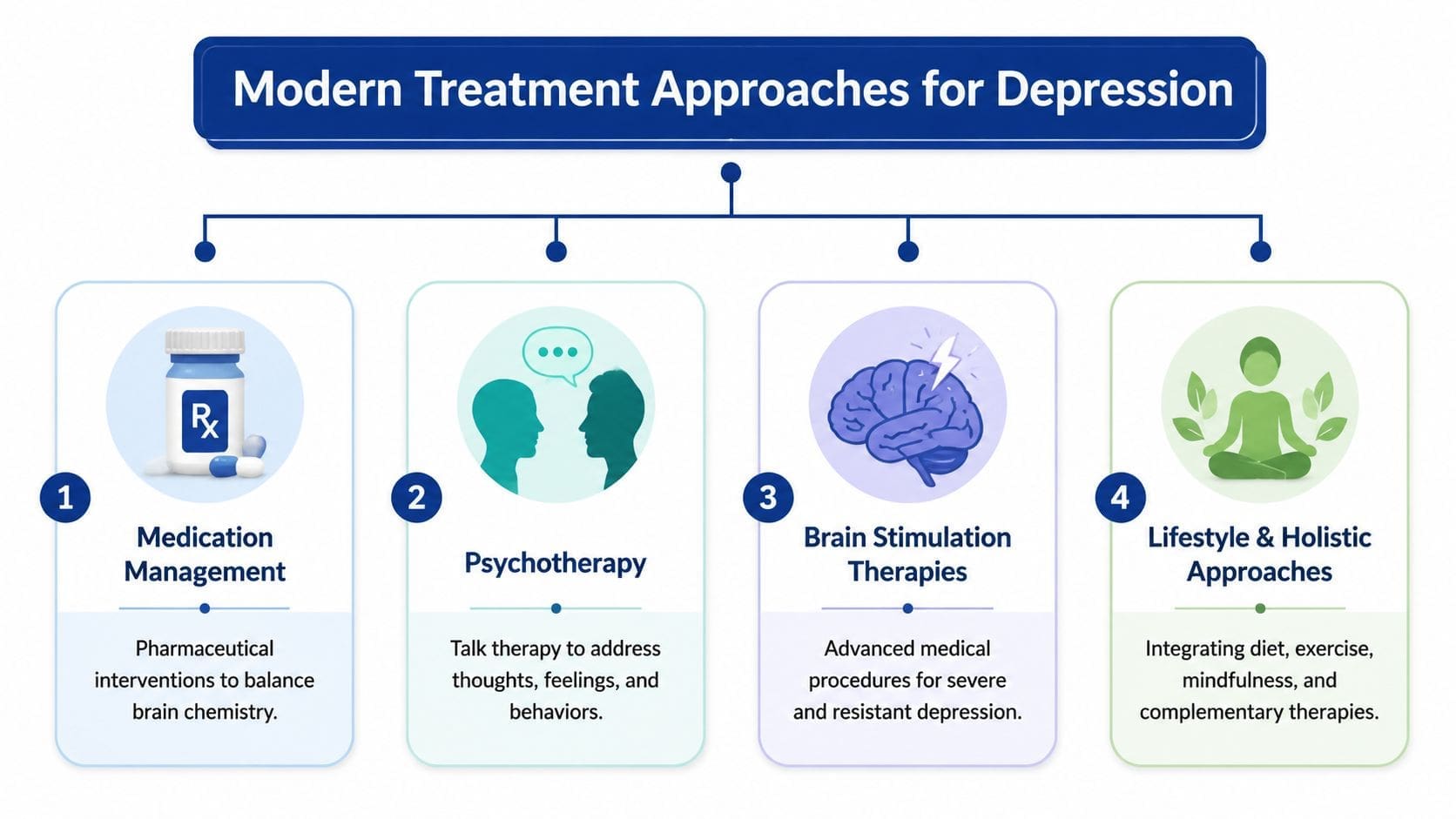
Some patients need medication early because they cannot sleep, cannot function at work, or are sinking into severe hopelessness. Others are good candidates for psychotherapy first. Many do best with both from the start, especially when depression has been present for a while or is mixed with anxiety, trauma, grief, or chronic stress.
Medication Management
Medication management involves more than writing a prescription. A depression-focused psychiatric provider, including a PMHNP or psychiatrist, looks at the full symptom pattern, prior medication trials, side effects, medical history, and any signs that the depression may be bipolar depression, trauma-related illness, or another condition that needs a different plan.
The pace matters. Changing too much at once can make it hard to tell what is helping and what is causing problems. In practice, careful dose adjustments and close follow-up usually lead to better decisions than a rushed sequence of medication switches.
For persistent depression, specialist collaborative care that combines pharmacotherapy and psychotherapy can outperform usual care. A randomized trial found a significant reduction in depression symptoms and linked improvement to careful medication adjustment, realistic expectation-setting, gradual pacing, and person-centered care in the specialist depression service trial.
That matters because antidepressants are rarely a simple yes-or-no decision. A medication may be partially helping, but the dose may need work. The target symptoms may not match the medication well. Side effects may be interfering with adherence. In some cases, the next right step is not "more medication." It is better sleep, therapy, or a reassessment of the diagnosis.
Evidence-Based Psychotherapy
Psychotherapy addresses parts of depression that medication cannot fully reach. That may include self-criticism, avoidance, unresolved grief, trauma responses, perfectionism, relationship strain, or the loss of routine and meaning that often develops during a depressive episode.
Different therapy approaches fit different clinical pictures. Cognitive behavioral therapy helps many patients identify distorted thinking and behavior patterns. Supportive therapy can help when someone feels overwhelmed and shut down. Trauma-focused work may matter more when depression is tied to past harm. Skills-based treatment can be useful when emotional regulation, panic, or chronic stress are keeping symptoms active.
As a prescriber, I do not treat therapy as an optional extra. Patients often stay well longer when medication and therapy are working in the same direction.
For patients considering additional options in more complex or treatment-resistant cases, this page on ketamine treatment for anxiety and depression in Pennsylvania explains one specialized treatment that may become part of a broader care plan.
A short video can also help clarify how depression treatment fits together in real life.
Integrative and Whole-Person Interventions
Whole-person care means looking at the factors around the depression that can either support recovery or keep symptoms going. Sleep disruption, alcohol use, nutrition, chronic pain, thyroid problems, low activity, isolation, and medication adherence all affect outcomes. These factors do not replace standard treatment. They often determine how well standard treatment works.
An integrative plan may include:
- Sleep review: checking for insomnia, oversleeping, irregular schedule, and evening habits that worsen mood
- Lifestyle counseling: setting realistic goals for movement, meals, and daily structure that a depressed person can maintain
- Lab and medical review: checking whether another medical issue may be contributing to low mood, fatigue, or poor concentration
- Mindfulness tools: using brief grounding or attention practices to reduce rumination and emotional overload
In Pennsylvania telehealth practice, this part of treatment is often more practical than patients expect. A PMHNP can review symptom patterns, track response over time, coordinate with a therapist or primary care clinician, and adjust the plan as daily life changes. Depression care works best when symptoms, functioning, and context are treated together.
Navigating Telepsychiatry for Depression in Pennsylvania
Telepsychiatry has changed how many Pennsylvania adults access depression care. For patients balancing work, parenting, transportation limits, or low energy, a secure video appointment is often the difference between getting treatment and putting it off again.
This isn't just about convenience. Workforce gaps are real. More than 65% of nonmetropolitan U.S. counties lack a psychiatrist, and telepsychiatry and integrated care are increasingly framed as practical ways to bridge access gaps in the review of behavioral health access and telepsychiatry.
What matters in Pennsylvania telehealth care
The provider must be licensed to treat patients in Pennsylvania. That's the first practical check. After that, patients should look at how the practice handles privacy, prescriptions, communication, and follow-up.
Telehealth is often a good fit for depression because treatment usually depends on conversation, symptom tracking, and medication review rather than a physical procedure. Patients can attend visits from home, keep scheduled follow-ups more consistently, and avoid spending energy on travel when they're already struggling.
A secure, HIPAA-compliant platform matters. So does a functioning patient portal for messages, refill requests, and forms. If the technology feels chaotic before the first visit, that's often a warning sign about the care experience later.
Questions worth asking before booking
Not every online practice offers the same level of support. Before scheduling, it helps to ask a few direct questions:
- Licensure: Is the provider licensed in Pennsylvania and able to prescribe for Pennsylvania residents?
- Visit structure: Will the first appointment be a full psychiatric evaluation or a brief medication consult?
- Follow-up access: How are refill questions, side effects, and between-visit concerns handled?
- Financial clarity: Does the practice accept insurance, offer self-pay, or have membership options?
- Scope of care: Can the provider manage depression alongside anxiety, ADHD, trauma symptoms, or sleep concerns?
For patients specifically looking for remote medication management and evaluation, this page on an online psychiatric provider in Pennsylvania shows what a telepsychiatry model can include.
Telehealth doesn't solve every access problem. But for many adults with depression, it removes enough friction to make treatment possible.
How to Choose Your Provider and What to Expect
You finally decide to book an appointment after weeks, or months, of telling yourself you should be able to push through. Then a new question shows up. Do you need a depression psychiatrist, a therapist, your primary care doctor, or a psychiatric nurse practitioner?
In Pennsylvania, that confusion is common. It also delays treatment.
For depression, the right fit often comes down to two things. You need a clinician who can assess the full picture carefully, and you need a care process that feels clear enough to follow when motivation is low. A psychiatrist or a psychiatric mental health nurse practitioner can both evaluate depression, diagnose it, and prescribe medication when appropriate. For many adults using telehealth, a PMHNP offers the same core depression treatment services they were looking for when they started searching for a depression psychiatrist.
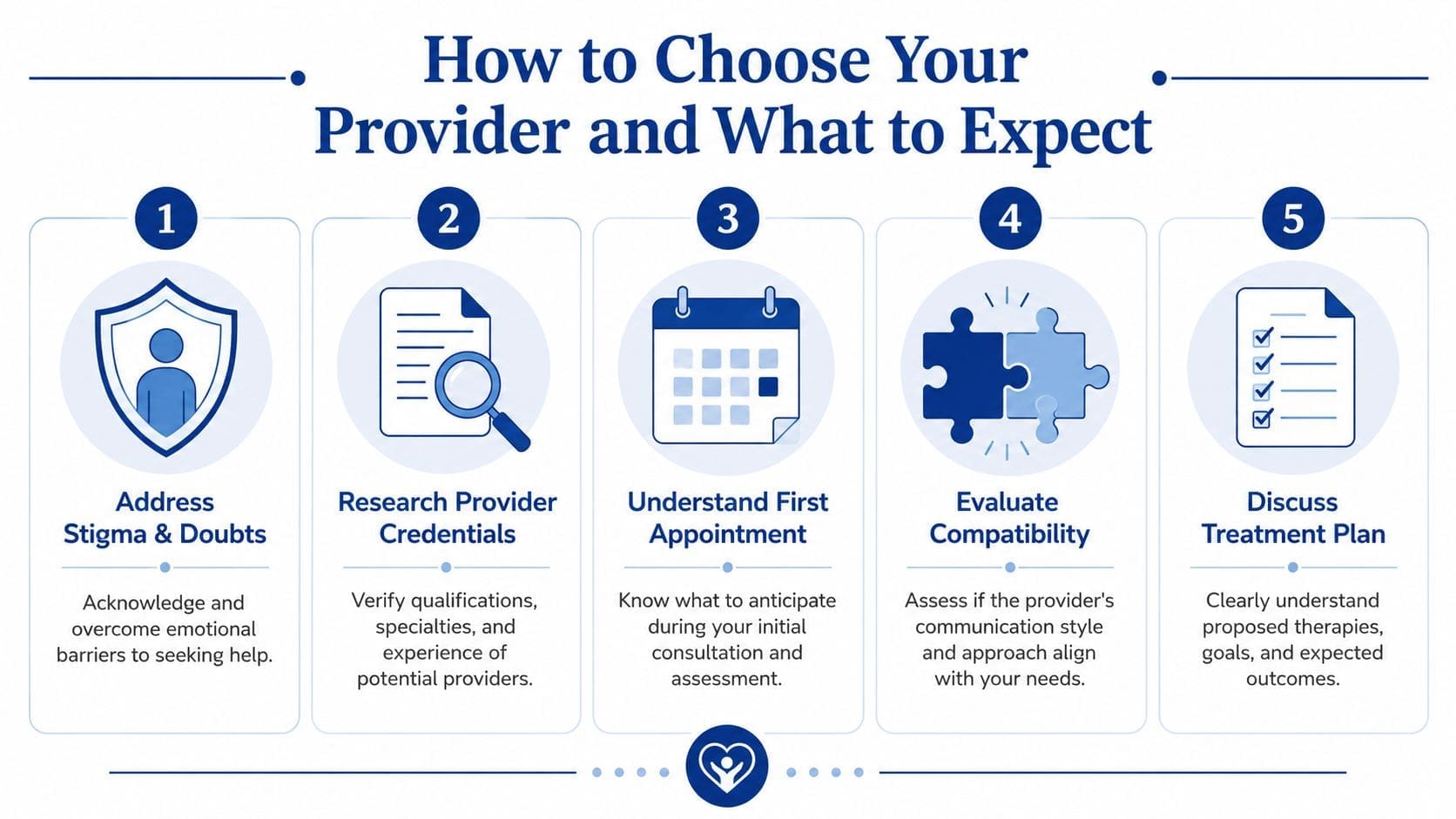
Research on barriers to treatment shows that many people want help but hesitate to seek care because of shame, stigma, self-doubt, and lack of trust, as described in this qualitative study on barriers to seeking depression care.
When an evaluation makes sense
Patients often ask me whether their symptoms are serious enough to justify psychiatric care. The better question is whether depression is interfering with daily life.
If mood symptoms keep affecting sleep, focus, energy, appetite, work, relationships, or your ability to function, an evaluation is reasonable. You do not need to wait for a crisis. You also do not need to prove that you are struggling enough.
That threshold matters because untreated depression often becomes harder to manage once routines, work performance, and physical health start slipping.
What a first appointment should include
A good first visit is detailed. Expect questions about mood, loss of interest, sleep, energy, concentration, appetite, anxiety, irritability, substance use, prior treatment, medical conditions, trauma history, current stress, and safety concerns.
This can feel personal quickly. There is a reason for that. Depression can overlap with anxiety disorders, grief, trauma-related symptoms, bipolar disorder, medication side effects, hormone or thyroid problems, and substance use. Careful questioning helps prevent the wrong diagnosis and the wrong treatment plan.
Patients also deserve a plain-language explanation of what the clinician is seeing. By the end of the visit, you should understand the working diagnosis, whether medication is being considered, what side effects matter, what follow-up looks like, and what to do if symptoms worsen between visits.
How to compare providers
Credentials matter, but so does the day-to-day experience of getting care.
- Relevant training: Look for a psychiatrist or PMHNP with clear experience treating depression and related conditions such as anxiety, insomnia, trauma symptoms, or ADHD.
- Evaluation style: Choose a provider who does a real psychiatric assessment, not a rushed prescribing visit.
- Treatment range: Look for medication management, therapy-informed care, and support for lifestyle factors when clinically relevant.
- Communication: Explanations should be direct, respectful, and easy to understand.
- Follow-up process: Check how refill requests, side effects, urgent concerns, and missed appointments are handled.
- Telehealth reliability: The platform, scheduling process, and patient portal should be organized and easy to use.
One practical point is often overlooked. Depression treatment usually works best with adjustment over time. That means your provider should be someone you can realistically stay in contact with, not just someone with the most impressive title on paper.
For patients comparing telehealth options, this page on online depression treatment in Pennsylvania shows the kind of psychiatric evaluation, medication follow-up, and whole-person support a virtual practice may offer.
What good care feels like
Good depression care is organized, calm, and collaborative. You should feel heard, but you should also leave with a plan.
That plan may include medication, therapy referrals, sleep changes, substance use reduction, lab work, or closer monitoring if symptoms are severe. It should also include realistic expectations. Some treatments help within weeks. Others take longer, and medication sometimes needs adjustment before the benefits are clear.
The right provider makes that process easier to understand. They do not promise a quick fix. They track what is changing, explain trade-offs, and keep working with you until the plan starts fitting your life.
Your Partner in Recovery Integrative Psychiatry Of America
For Pennsylvania adults who want telehealth-based depression care, one option is online depression treatment at Integrative Psychiatry of America. The practice is a telepsychiatry service for patients across Pennsylvania and is led by a board-certified psychiatric nurse practitioner.
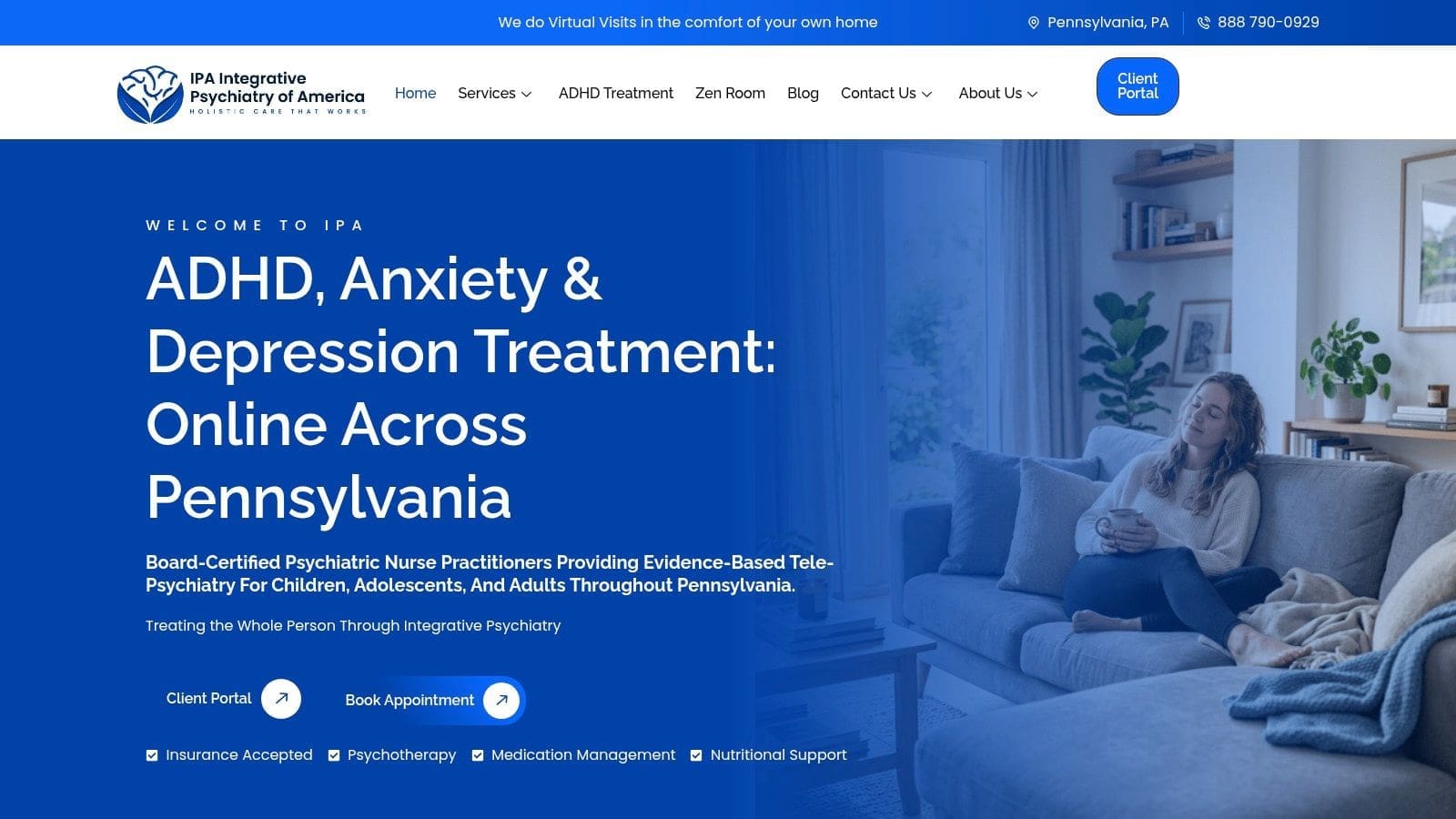
Its model reflects what many patients need when searching for a depression psychiatrist or depression medication provider online: thorough psychiatric evaluation, medication management, psychotherapy-informed care, and integrative support delivered through secure telehealth. That may include exercise counseling, nutritional education, mindfulness and meditation, lab or genetic screening when clinically appropriate, and ongoing portal-based communication for practical follow-up.
The setting also matters. Patients often engage more consistently when scheduling, refill requests, and secure messaging are simple. A telehealth model can reduce the barriers that cause people to postpone care, especially when depression already makes travel, organization, and time management harder.
Recovery usually doesn't come from one dramatic appointment. It tends to come from a careful diagnosis, a realistic plan, and steady follow-up with a provider who treats the whole person.
If depression is making daily life harder, Integrative Psychiatry of America offers secure online psychiatric care for adults across Pennsylvania, with options to review services, verify insurance, and schedule a first appointment from home.