
The search often starts late at night. A person in Philadelphia is staring at a phone, typing in some version of “why can't I get moving,” “depression help near me,” or “depression treatment Philadelphia,” while trying to get through work, family responsibilities, SEPTA delays, and the basic effort of another day.
What makes this harder is that the options can feel both endless and confusing. Therapy directories, medication clinics, hospital programs, telehealth platforms, and local providers all promise help, but few explain the actual path. Individuals seeking help don't need a giant list. They need to know where to start, what usually works, what to do if it doesn't, and how to tell when the situation calls for more support.
That uncertainty is common, and it's not a sign of weakness. In Pennsylvania, 19.3% of adults reported depression in 2023, which was a 4% increase from 2022, and the state reported 40.46 per 1,000 people receiving mental health services, above the national rate of 24.50 per 1,000, according to Pennsylvania mental health statistics summarized from America's Health Rankings. Those numbers reflect both real need and a treatment system that many people are actively using.
This guide is for adults who want a practical map. It walks through outpatient care, medication management, therapy, telehealth, and when to consider more intensive Philadelphia-area options such as TMS, PHP, or IOP. The goal isn't to overwhelm. It's to make the next step feel clear.
Table of Contents
- Your Search for Hope in Philadelphia
- Understanding Your Depression Treatment Options
- The Integrative Psychiatry of America Approach
- Navigating the Full Spectrum of Depression Care
- How to Easily Access Care with Telehealth
- What to Expect from Your Treatment Journey
- Frequently Asked Questions About Depression Care
Your Search for Hope in Philadelphia
Depression rarely announces itself in a dramatic way. More often, it narrows life. Getting out of bed becomes negotiation. Messages go unanswered. Work slips from manageable to exhausting. Even scheduling help can feel like one more impossible task.
In a city as busy as Philadelphia, people often assume they should be able to “push through.” That usually backfires. Depression affects energy, concentration, motivation, appetite, sleep, and the ability to feel connected. When those symptoms pile up, a person may delay care because they're not sure whether they need therapy, medication, a psychiatric evaluation, or something more structured.
The problem isn't only symptoms
A major reason people feel stuck is that mental health care isn't organized around how patients think when they're overwhelmed. Someone searching for depression treatment in Philadelphia usually wants answers to practical questions:
- Where should care start
- How quickly can an appointment happen
- Will telehealth be enough
- What if past treatment didn't help
- How private and affordable is this
Those are the right questions.
Practical rule: The best starting point is usually the setting that matches current severity, not the setting that sounds the most impressive.
For many adults with mild to moderate depression, outpatient care is appropriate. That may include psychotherapy, medication management, or both. For others, especially when symptoms are severe or persistent, it makes more sense to move faster toward higher-acuity care.
Why hope is reasonable
Philadelphia residents aren't looking for help in a vacuum. Pennsylvania's high service utilization suggests that treatment access is real, even if it still takes navigation. The challenge isn't whether help exists. The challenge is matching the right level of help to the right person at the right time.
That's where a clear pathway matters. Depression care works better when it's approached as a sequence of decisions instead of a single leap. Start with a careful assessment. Identify what symptoms are most impairing. Choose a practical treatment plan. Reassess early. Escalate when needed.
A person doesn't need to feel certain before reaching out. They only need a starting point.
Understanding Your Depression Treatment Options
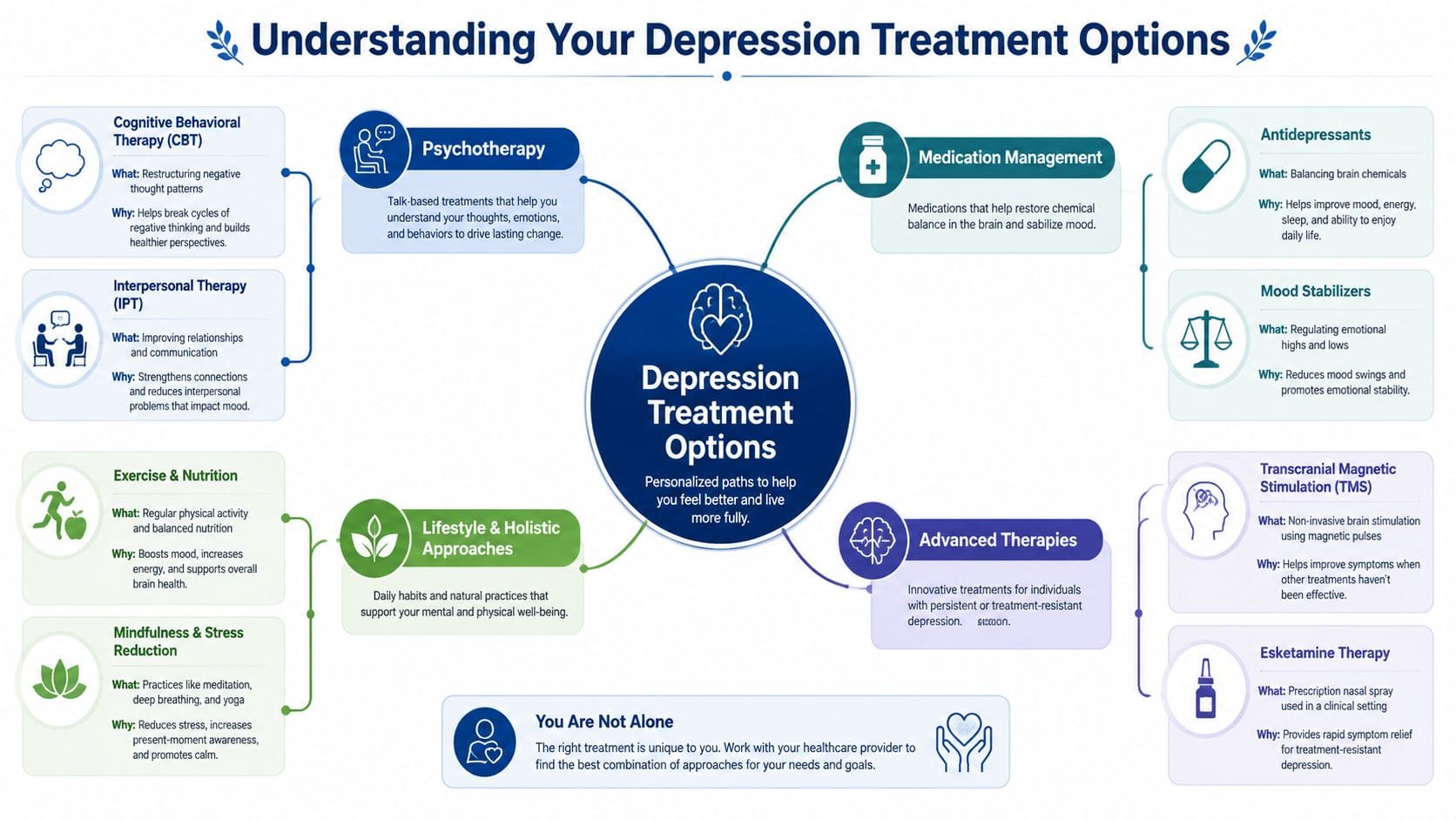
Most effective depression care falls into a few categories. The confusion usually comes from not knowing how those categories fit together, or which clinician handles which part.
Philadelphia-specific reporting says about 20% of adults in the city have been diagnosed with depression, roughly 1 in 5 adults, and broader evidence cited by a local source found only 53% of diagnosed people received minimally adequate care, with 57.7% having at least one counseling session, 58.4% filling at least one antidepressant prescription, and only 13% receiving minimally adequate psychotherapy alone, as summarized by this Philadelphia depression statistics review. That gap is one reason good treatment planning matters so much.
What each core treatment actually does
Psychotherapy helps a person identify patterns that keep depression going. In practice, this may include CBT, which works on unhelpful thought and behavior loops, or DBT-informed skills for emotional regulation and distress tolerance. Therapy is often where people learn how depression shows up in daily routines, relationships, and self-talk.
Medication management targets biological symptoms such as persistent low mood, disrupted sleep, low motivation, anxious distress, or intrusive negative thinking. Medication isn't a personality change. It's a clinical tool that can reduce symptom intensity enough for a person to function and engage more fully in therapy and daily life.
Lifestyle and whole-person support is often underestimated. Sleep, movement, nutrition, substance use, stress load, and medical contributors can all shape depressive symptoms. This doesn't mean depression is caused by poor habits. It means treatment is stronger when the whole person is assessed.
Who provides what in Philadelphia
Different professionals play different roles.
| Provider type | Usual role in depression care |
|---|---|
| Licensed therapist or counselor | Provides psychotherapy such as CBT, supportive therapy, trauma-informed therapy, or skills-based work |
| Psychologist | Often provides therapy and may conduct psychological testing |
| Psychiatric nurse practitioner | Evaluates symptoms, diagnoses, prescribes medication, monitors response, and may incorporate supportive or brief therapeutic interventions |
| Psychiatrist | Evaluates, diagnoses, prescribes, and manages more complex medication questions or higher-acuity psychiatric presentations |
A lot of adults search for a psychiatrist in Philadelphia when what they may need first is a psychiatric nurse practitioner who can assess symptoms, prescribe when appropriate, and coordinate a plan that includes therapy and lifestyle interventions.
Good depression care usually isn't either therapy or medication. It's a thoughtful decision about whether one, the other, or both make the most sense right now.
For families trying to understand emotional symptoms across age groups, tools that teach coping skills early can also be useful. A community-oriented example is this Soul Shoppe resource for childhood anxiety, which shows how coping frameworks can start well before adulthood.
When medication questions feel especially personal, some adults also want to explore whether biology may influence medication response. A practical overview appears in this guide to depression genetic testing.
The Integrative Psychiatry of America Approach
A typical Philadelphia patient story starts like this. Someone feels low for months, sleep gets worse, motivation drops, and basic tasks begin to take more effort than they should. They are not looking for a sales pitch. They want a clear plan, an explanation that makes sense, and treatment that matches what is happening in their life.
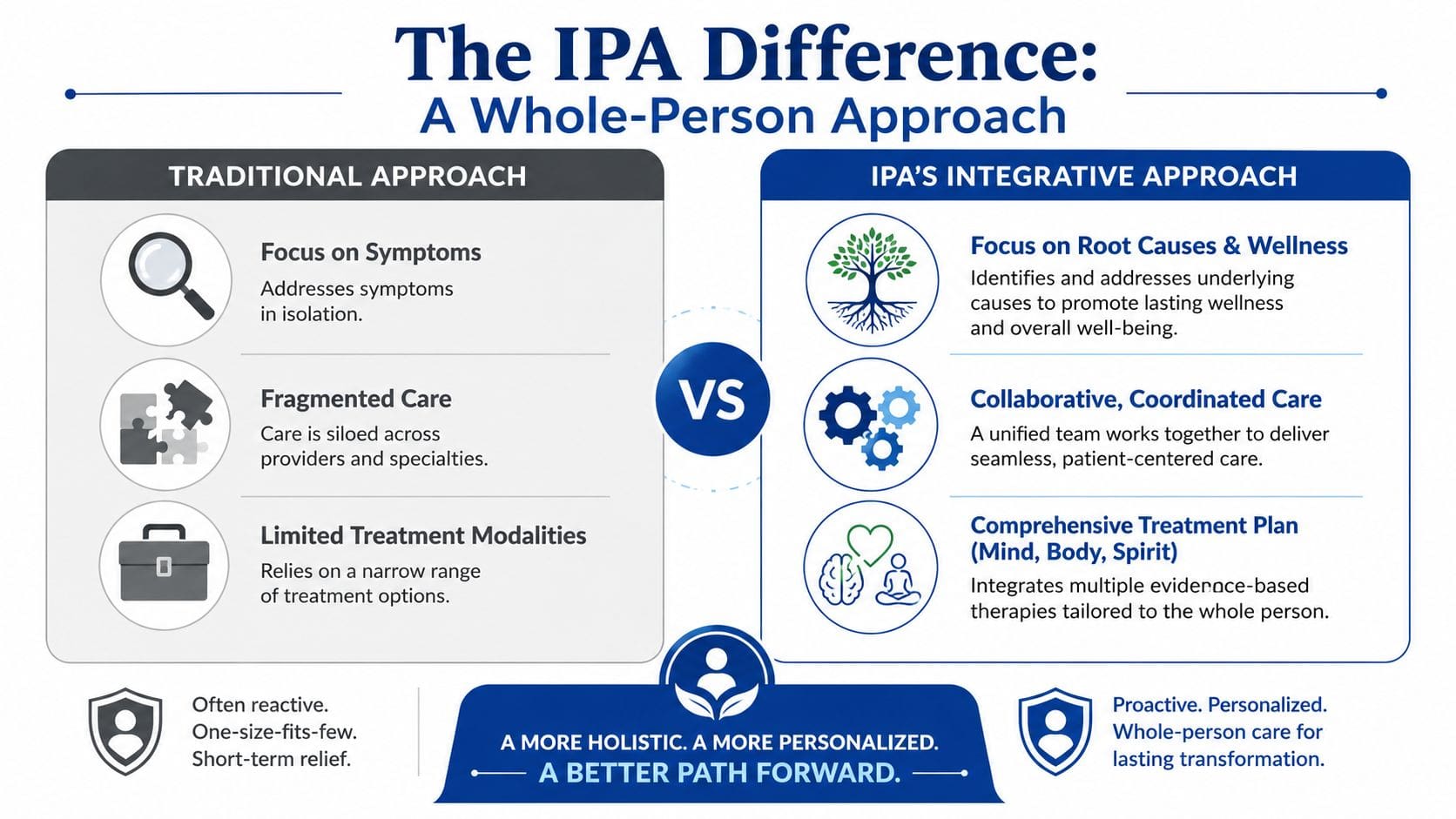
Good depression care starts with a broader clinical question than medication choice alone. The first job is to assess symptoms carefully, clarify the diagnosis, review what has already been tried, and look for factors that may be worsening mood or slowing recovery. That can include anxiety, trauma, ADHD symptoms, burnout, grief, alcohol or cannabis use, medical conditions, hormones, poor sleep, and daily stress that keeps the nervous system overloaded.
Why a whole-person model matters
Depression rarely shows up as one clean problem. A person may describe sadness, but the more disabling issue is brain fog. Another may say they are exhausted, when the primary driver is insomnia and chronic anxiety. Someone else may feel emotionally flat and wonder whether the depression is worsening or whether a current medication is helping in one area while creating problems in another.
That is why treatment has to look at symptom relief and functioning at the same time.
In practice, this means asking better questions early. What is happening in the morning? What changed before symptoms started? Is concentration poor because of depression, ADHD, sleep loss, or all three? Is a patient struggling to follow through because the plan is wrong, or because the plan has not been supported well enough?
What integrated care can include
An effective depression plan often uses more than one tool, with each part serving a specific purpose.
Medication management with meaningful follow-up
Prescribing is the starting point, not the whole job. Good follow-up looks at side effects, dose timing, activation, sedation, emotional blunting, appetite, sleep, adherence, and whether the diagnosis still fits once treatment begins.Coordination with therapy
Some patients already have a therapist and need psychiatric care that aligns with that work. Others need help identifying the right therapy style for their symptoms, goals, and schedule.Exercise and nutrition guidance
These are supports, not substitutes for psychiatric treatment. They can improve energy, structure, stress tolerance, and recovery when they are adapted to what a depressed person can realistically do.Lab review or genetic testing when clinically appropriate
These tools are not necessary for everyone. In the right situation, they can help clarify contributing factors or guide medication decisions with more context.Attention to co-occurring conditions
Depression treatment is safer and more effective when substance use, trauma symptoms, hormonal concerns, chronic illness, or other overlapping issues are addressed directly rather than treated as side notes.
One Philadelphia-area telehealth option using this model is Integrative Psychiatry of America's integrated depression care approach, which includes psychiatric evaluation, medication management, therapy-informed care, mindfulness, exercise and nutrition guidance, and screening when clinically indicated.
I often explain the difference this way. Fragmented care leaves patients to connect the dots on their own. Integrated care makes that part of the treatment.
That matters because passive treatment often disappoints people. A prescription without real follow-up, no conversation about sleep or substance use, and no coordination with therapy can leave a patient feeling stuck or blamed when improvement is slower than expected. Better care is active, individualized, and adjusted as new information comes in.
Navigating the Full Spectrum of Depression Care
A common Philadelphia scenario looks like this. Someone starts with weekly therapy and hopes time will help. A few months later, they are still dragging through work, missing texts, sleeping poorly, and wondering whether they need medication, a different therapist, or something more intensive.
That is the point where clear guidance matters. People do better when they understand the full care path, from standard outpatient treatment to higher levels of support if symptoms stay heavy or start to affect safety.
When outpatient telehealth is a good fit
Telehealth outpatient care is often an appropriate starting point for mild to moderate depression. It works well when a person is still managing basic responsibilities, even if everything feels slower, harder, or less meaningful than usual.
In practice, telehealth tends to fit patients who need evaluation, diagnosis, medication treatment, and close follow-up without adding a commute or more disruption to the week.
Common reasons to start here include:
- A psychiatric evaluation to clarify whether symptoms fit depression, anxiety, burnout, grief, trauma, or a mix
- Medication management with follow-up visits that allow careful dose changes and side effect review
- Coordination with therapy when a patient already has a counselor and needs psychiatric support added
- Private, convenient care when transportation, childcare, work hours, or stigma make in-person visits harder to maintain
For many adults, this is the most realistic entry point after searching for depression treatment in Philadelphia.
Signs that more intensive support may be needed
Outpatient care is not the right level forever for every patient. If symptoms are not improving after a reasonable trial, the next question is not whether someone has failed treatment. The question is whether the treatment plan needs to change.
Penn Psychiatry describes specialty care for mood disorders, including treatment-resistant depression and TMS, on Penn's mood disorders services page. That matters because patients often hear the term "treatment-resistant depression" and assume it means nothing will work. In clinical use, it usually means prior treatment has not helped enough, so a reassessment or a more specialized option should be considered.
A step-up conversation is often appropriate in situations like these:
| Clinical situation | What it may suggest |
|---|---|
| Little benefit after appropriate outpatient treatment | Reassessment of diagnosis, medication strategy, adherence, sleep, substance use, and medical contributors |
| Symptoms are becoming harder to manage safely | Urgent evaluation, PHP, IOP, or hospital-level care may be a better fit |
| Daily functioning keeps slipping | Weekly visits may not provide enough structure or support |
| Several medication trials have not helped enough | More specialized treatment, including neuromodulation or ketamine-based care, may be worth discussing |
I often tell patients that stepping up care is a clinical adjustment, not a personal failure. Some people need a different medication plan and tighter follow-up. Others may need TMS, a partial hospitalization program, an intensive outpatient program, or a review of ketamine treatment for anxiety and depression in Philadelphia and Pennsylvania if symptoms have stayed stubborn despite standard treatment.
Good care also depends on access to clinicians who can stay present and responsive. Practice models that support sustainable staffing, including burnout-friendly telepsychiatry roles, can help patients find more consistent follow-up instead of fragmented handoffs.
If symptoms are worsening, basic functioning is breaking down, or safety feels uncertain, waiting longer is rarely the best plan. A higher level of evaluation is safer and often more effective.
How to Easily Access Care with Telehealth
A common Philadelphia scenario looks like this. Someone has been holding it together at work, canceling plans, sleeping poorly, and telling themselves they should be able to push through. They finally decide to get help, then stall out because the process feels confusing. Telehealth can lower that first barrier and give people a clear starting point for treatment.
Philadelphia residents often choose virtual care because it reduces practical obstacles. Privacy, scheduling flexibility, and avoiding transportation can make the difference between putting off care and starting, as discussed in this overview of mental health services in Philly.
A clear starting process
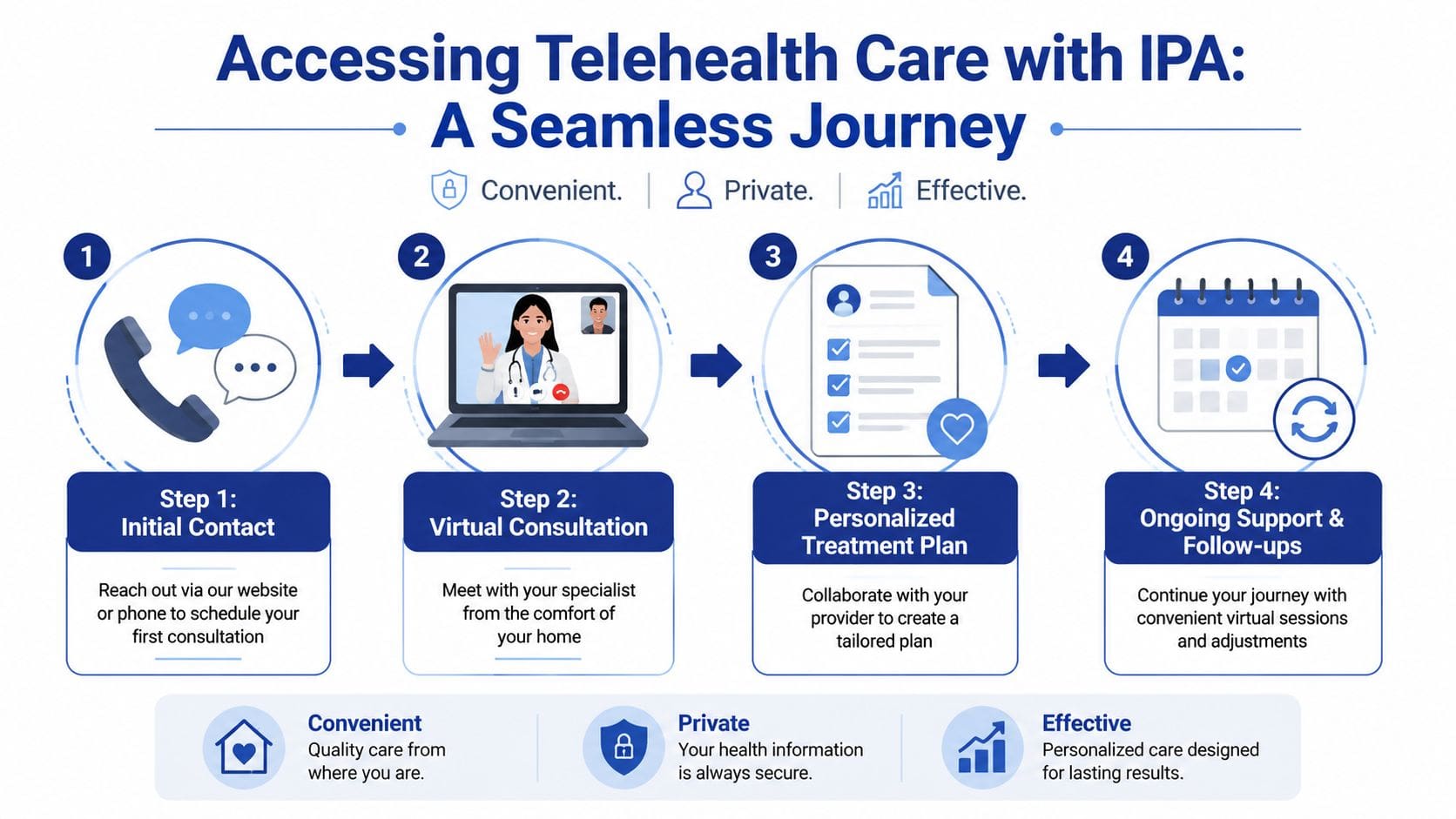
Telehealth for depression usually works best when patients know what to do first and what should happen after the intake.
Confirm the basics
Check whether the practice sees patients in Pennsylvania, whether it accepts your insurance or offers self-pay, and how soon a first appointment is available.Schedule a full evaluation
The intake visit is usually longer. It should cover symptoms, prior treatment, medical history, current medications, sleep, stress, substance use, and what is getting hardest in daily life.Set up the patient portal and follow-up plan
Secure messaging, refill requests, and scheduled check-ins support continuity. This matters early on, especially if medication is being started or adjusted.Leave with specific next steps
A good first visit should end with a plan. That may include therapy referrals, medication options, lab work, safety instructions, and a realistic timeline for follow-up.
For adults who want a practical place to begin, this online psychiatry for depression in Philadelphia page shows what virtual psychiatric care can look like from the patient side.
Some patients also want to understand how telepsychiatry is structured behind the scenes. That question is reasonable. Care tends to be more consistent when clinicians work in systems designed to support follow-up and reduce turnover. This overview of burnout-friendly telepsychiatry roles offers useful context on why remote psychiatric care remains a stable part of modern practice.
What telehealth does well, and where it has limits
Telehealth is often a strong fit for mild to moderate depression, particularly when someone is still able to manage daily responsibilities but needs assessment, medication guidance, therapy referrals, and regular follow-up. It can also help patients start care sooner instead of waiting until symptoms get worse.
There are trade-offs.
- Privacy can improve honesty, but patients still need a quiet place where they can speak freely.
- Skipping the commute saves time, which helps people balancing work, parenting, fatigue, or transportation problems.
- Frequent follow-up is easier to maintain, which is useful during the first weeks of treatment.
- Cost and coverage still need review, because insurance rules and self-pay rates vary by practice.
- Higher-acuity needs may require local in-person care, especially if safety is uncertain or functioning is dropping quickly.
This short video gives another snapshot of the virtual care experience.
In practice, telehealth works best when patients see it as the front door to care, not the whole building. It can start treatment quickly, create steady follow-up, and make the next step clearer if more local support is needed later.
What to Expect from Your Treatment Journey
A common Philadelphia scenario goes like this. Someone finally books the appointment after weeks or months of pushing through work, family responsibilities, and low energy. Then a new worry shows up right away. What if treatment does not help fast enough?
That concern is understandable. Depression care usually works through a series of informed adjustments, not one dramatic turning point.
The first appointment
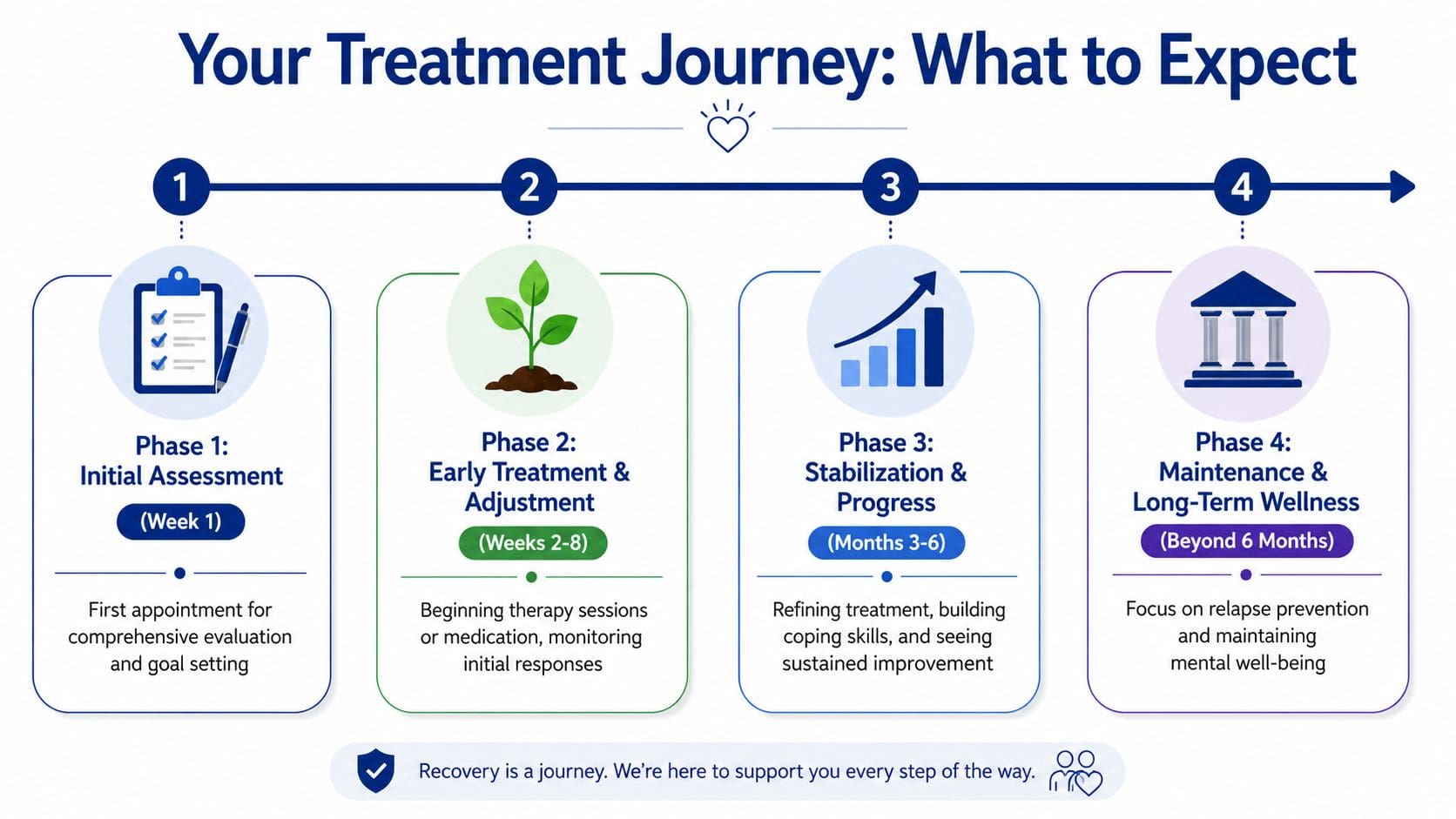
The intake visit is designed to answer two questions. What is happening right now, and what level of care fits best?
A careful evaluation looks beyond mood alone. Symptoms matter, but so do sleep, appetite, concentration, anxiety, trauma history, substance use, medical conditions, prior medication trials, therapy history, and current stressors at home or work. I also look at functioning. Can the person get through the day, keep up with responsibilities, and stay safe?
That fuller picture helps shape the next step. For some adults, telehealth outpatient care is a good starting point. For others, the first visit may show that local in-person therapy, a higher level of support, or medical workup should happen sooner rather than later. Clarity itself is often a relief.
The first several weeks
Early treatment asks for patience and close follow-up. If medication is part of the plan, improvement often builds gradually rather than all at once. Sleep or appetite may shift before mood lifts. Concentration may improve before motivation returns. Small changes count.
During this phase, the plan often gets refined.
Response is tracked over time
The question is not only "Do you feel better?" It is also whether mornings are more manageable, whether tasks feel less heavy, and whether hopelessness is loosening its grip.Side effects are reviewed directly
Some are temporary and fade as the body adjusts. Others mean the dose, timing, or medication choice should change.The diagnosis stays open to review
If progress is limited, a good clinician rechecks the full picture, including anxiety, trauma, bipolar spectrum symptoms, substance use, thyroid issues, sleep problems, and life stress that can complicate recovery.Therapy adds skills while symptoms are improving
For many patients, talk therapy helps rebuild routines, challenge depressive thinking, and repair the isolation that depression often creates.
For adults who want a therapy-centered starting point or combined care, this depression therapy option in Philadelphia explains what that support can include.
Progress often shows up first in ordinary moments. Returning a text. Taking a shower without an hour of debate. Getting through a work task that had been sitting untouched.
As treatment continues
The longer arc of care is about fit, consistency, and knowing when to change course.
If symptoms improve with outpatient telehealth treatment, follow-up usually becomes more focused on maintaining gains, adjusting medication only when needed, and strengthening the daily habits that protect recovery. If symptoms stay severe, functioning keeps dropping, or safety becomes uncertain, the treatment path may need to shift toward more intensive local care. That can include in-person psychiatric assessment, an intensive outpatient program, partial hospitalization, or hospital-based evaluation depending on the situation.
Good depression treatment helps patients understand that path instead of leaving them to figure it out alone. The goal is relief, but also a clearer sense of what to expect next and why each step matters.
Frequently Asked Questions About Depression Care
Is telehealth effective for depression treatment
For many adults, yes. Telehealth is especially useful when the main barriers are scheduling, transportation, privacy, or the effort required to leave home while depressed. It works best when symptoms are appropriate for outpatient care and the patient can attend follow-ups reliably.
How private is online psychiatric care
Reputable telehealth care should use a secure, HIPAA-compliant platform and patient portal. Patients also play a role in privacy by taking appointments in a quiet, confidential space and using personal devices whenever possible.
What if insurance isn't listed
The next step is to contact the practice directly and ask about verification, out-of-network options, or self-pay arrangements. Some clinics also offer membership-style pricing. It's better to clarify cost before the first visit than to avoid care because the website wasn't definitive.
How does someone know it's time for more intensive care
That question deserves a direct answer. If symptoms are worsening, safety is in doubt, functioning is dropping fast, or standard outpatient treatment hasn't been enough, a higher level of care may be more appropriate. That can mean urgent psychiatric evaluation, PHP, IOP, TMS consultation, or hospital-level assessment depending on the situation.
Adults looking for clear, confidential depression care in Pennsylvania can explore Integrative Psychiatry of America as one telehealth option for psychiatric evaluation, medication management, and whole-person support. The most important step isn't choosing the perfect treatment on day one. It's choosing a real starting point and staying engaged long enough to let good care work.