
When you’re an adult with ADHD, figuring out treatment can feel like trying to put together a puzzle with half the pieces missing. You know a more focused, organized life is possible, but the path to get there seems confusing.
This guide clears away the noise. We'll give you a straightforward look at the adult ADHD treatment options that actually work.
At Integrative Psychiatry of America, our psychiatric nurse practitioners see it every day: there isn't a single magic bullet for ADHD. Real success comes from building a personalized toolkit—one that's tailored to your unique brain, your challenges, and your goals.
Think of modern ADHD care as having three core parts that work together. It’s like pairing a powerful engine (medication) with a skilled driver (therapy) and premium fuel (lifestyle). When all three are in sync, you have a system built for success.
This chart shows how these pieces fit into a complete ADHD treatment plan.
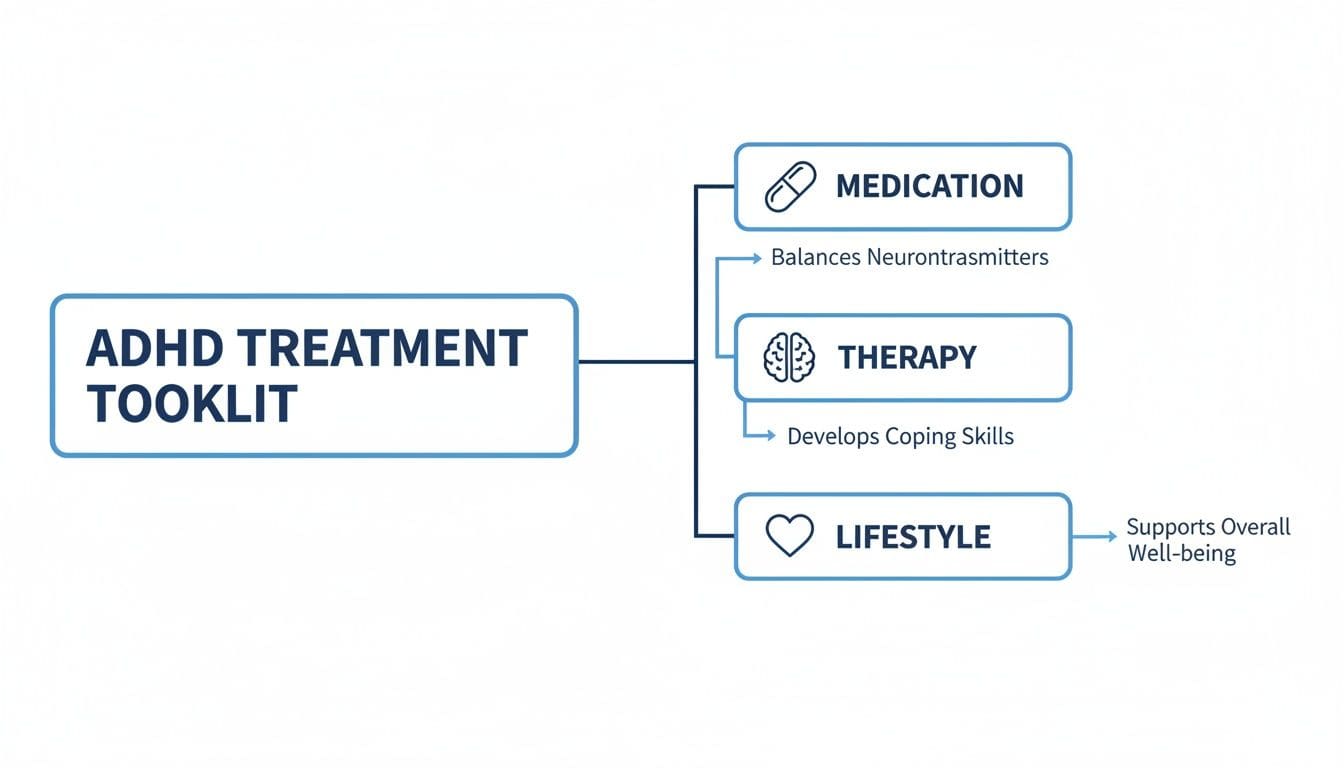
As you can see, medication, therapy, and lifestyle aren’t separate choices. They’re interconnected parts of a whole-person approach to managing ADHD effectively.
The Power of a Combined Approach
While any one of these strategies can be helpful, combining them is what truly makes the difference. A comprehensive plan addresses both the neurological side of ADHD and the behaviors and habits that come with it.
- Evidence-Based Medication: This is often the first step. The right medication helps regulate brain chemistry, which can sharpen focus and dial down impulsivity.
- Skill-Building Psychotherapy: Therapy like CBT gives you the practical tools to manage your time, get organized, and handle emotional ups and downs.
- Supportive Lifestyle Strategies: Good nutrition, regular exercise, and quality sleep create the biological foundation your brain needs to perform at its best.
This integrated model is what we, as psychiatric nurse practitioners, champion. It’s not just about covering up symptoms. The goal is to build a structured, confident life from the ground up. By tackling ADHD from multiple angles, you create a powerful support system that helps you hit your goals, both personally and professionally.
Understanding just how common ADHD has become also shows why this multi-faceted approach is so vital for so many adults. The key takeaway is that a combination of these strategies, guided by a professional like a psychiatric nurse practitioner, is the best way to not just manage ADHD, but to truly thrive with it.
Understanding Medication For Adult ADHD

Medication is a key part of many effective adult ADHD treatment plans. For most people, it's the tool that finally quiets the background noise in their head, making space for clearer thoughts and more intentional actions. Of course, starting medication brings up a lot of questions.
As psychiatric nurse practitioners, we see medication not as a "magic fix," but as a way to help regulate brain chemistry. Think of your brain as a busy orchestra. Without a conductor, the instruments play out of sync, creating a pretty chaotic sound. ADHD medication acts like that conductor, guiding neurotransmitters like dopamine and norepinephrine to help each section play in harmony. This simple process can dramatically improve focus, reduce impulsivity, and help you feel more in control.
The Two Main Types of ADHD Medication
When we talk about ADHD medication for adults, the options generally fall into two categories: stimulants and non-stimulants. They each work differently, and the right choice for you will depend on your specific symptoms, health history, and how your body responds.
Stimulants: These are the most common and well-known medications for ADHD. They include methylphenidate-based drugs (like Ritalin and Concerta) and amphetamine-based ones (like Adderall and Vyvanse). They work by increasing the levels of key brain chemicals, which has a surprisingly calming and focusing effect on the ADHD brain.
Non-Stimulants: Medications like atomoxetine (Strattera) or viloxazine (Qelbree) are excellent alternatives. They're a great fit for people who don't respond well to stimulants or can't take them for other health reasons. They tend to work more gradually—often taking a few weeks to reach their full effect—but they provide smooth, all-day symptom relief.
Finding the right medication is a collaborative process. It's not about just getting a prescription; it's about working with a knowledgeable psychiatric nurse practitioner who listens to your experience and adjusts the plan accordingly.
This careful, methodical approach ensures you get the most benefit with the fewest side effects. Our goal as providers is always to find the lowest effective dose that helps you function at your best.
Addressing Common Concerns About Medication
It’s completely normal to have questions—and even some worries—about starting a new medication. Many adults are concerned about side effects, the risk of dependency, or just how the medication will make them feel. These are all valid points that deserve clear, honest answers.
For example, a major Oxford study that analyzed 113 clinical trials confirmed what we see in our practice: stimulants like methylphenidate and amphetamines, along with the non-stimulant atomoxetine, have the strongest evidence for reducing adult ADHD symptoms. Here in the US, over 80% of adults respond well to stimulants, often with few, if any, side effects. While these medications are a primary tool, the research also shows that combining them with psychotherapy significantly improves outcomes. You can read the full research about these ADHD treatment findings to explore the data for yourself.
Side effects like a decreased appetite or trouble sleeping can happen, but they are usually manageable. We minimize them through a careful dose adjustment process called titration. A skilled psychiatric nurse practitioner will start you on a very low dose and increase it slowly while monitoring how you feel. This careful management is central to our practice. We also offer detailed guidance on ADHD medication management online to make sure you feel supported every step of the way.
Concerns about dependency are also important. When used as prescribed for ADHD, stimulant medications are not considered addictive. The risk really comes from misuse, which is why having a stable, trusting relationship with your provider is so critical for safe and effective treatment.
Finally, with ongoing medication shortages, having a dedicated provider who can help you navigate pharmacy issues and find alternatives is more important than ever. Through telepsychiatry, we provide consistent and accessible care to adults across Pennsylvania, ensuring your treatment can continue without interruption.
The Power of Psychotherapy and ADHD Coaching
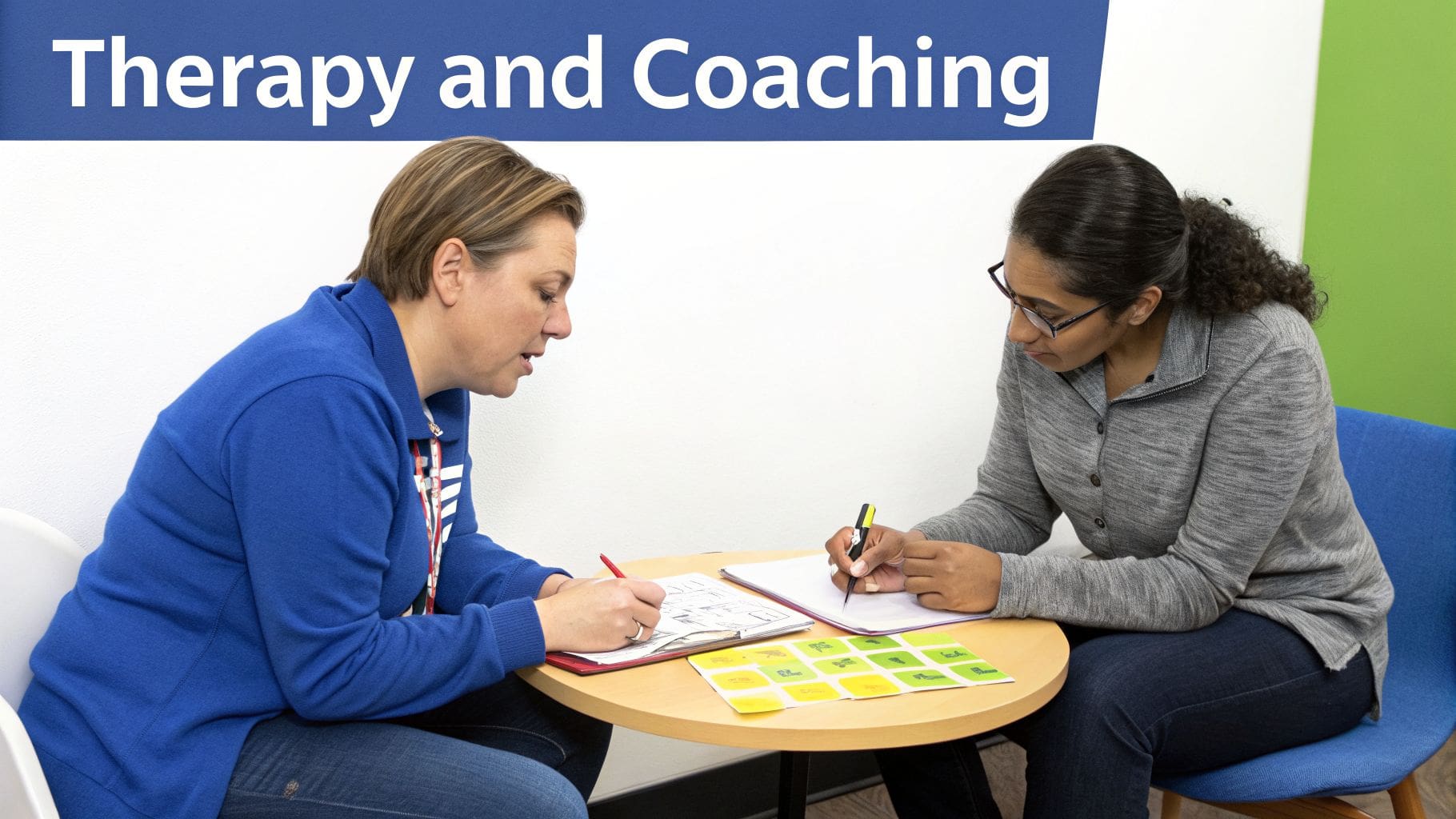
While medication can turn down the volume on ADHD symptoms, it doesn’t teach you new skills. That’s where psychotherapy and coaching come in. Think of them as the roadmap and driving lessons for your newly focused brain.
As psychiatric nurse practitioners, we view these tools as essential parts of a complete treatment plan. They help you turn the potential that medication unlocks into real-world success. This is where you learn to manage your life, not just your symptoms.
Building Skills With Psychotherapy
Psychotherapy isn’t just about talking. It’s about actively rewiring the unhelpful thought patterns and behaviors that so often come with adult ADHD. Two of the most effective methods we utilize are Cognitive Behavioral Therapy (CBT) and Dialectical Behavior Therapy (DBT), each adapted for the unique challenges of the ADHD brain.
Cognitive Behavioral Therapy (CBT): This approach helps you spot and challenge the negative self-talk and avoidance cycles that fuel procrastination. For instance, instead of seeing a big project and thinking, "I'll never finish this," CBT teaches you to break it down and reframe your thoughts to, "I can start with the first small step."
Dialectical Behavior Therapy (DBT): DBT is incredibly powerful for managing the intense emotional swings many adults with ADHD face. It gives you concrete skills for emotional regulation and distress tolerance. So when you feel overwhelmed or frustrated, you have a toolkit to stay grounded instead of reacting impulsively.
Think of therapy as building a mental workbench. It gives you specialized tools to dismantle patterns of procrastination, manage emotional intensity, and build a more structured, confident life from the inside out.
Many people wonder how these approaches stack up against medication. Learning more about the differences between medication vs. therapy for ADHD can offer valuable clarity. The best outcomes usually involve a combination of both.
Partnering for Success With ADHD Coaching
If therapy focuses on the "why" behind your behaviors, ADHD coaching is all about the "how." It's a practical, forward-looking partnership designed to help you master the executive functions that ADHD disrupts.
An ADHD coach is a strategic partner. They work with you to develop personalized systems for the specific challenges you face, day in and day out. This isn't about fixing a deficit; it's about co-creating a functional structure that finally works for your brain.
Common areas of focus include:
- Time Management: Building routines and using tools that actually help you manage your schedule.
- Organization: Setting up physical and digital systems to reduce clutter and chaos.
- Project Planning: Breaking down huge goals into manageable, actionable steps.
- Task Initiation: Developing strategies to overcome the "analysis paralysis" that keeps you stuck.
ADHD coaching can also help you design a perfect note-taking system to improve organization and manage information overload. A good coach provides the accountability and support needed to make these new strategies stick.
Therapy vs. Coaching: Which Is Right for You?
Understanding the difference is key to choosing the right support. While they can overlap, psychotherapy and ADHD coaching serve distinct roles in adult ADHD treatment.
| Feature | Psychotherapy (CBT/DBT) | ADHD Coaching |
|---|---|---|
| Primary Focus | Addresses underlying emotional and cognitive patterns like anxiety, depression, and negative self-talk. | Focuses on building practical skills for executive functions like planning and organization. |
| Goal | To heal past patterns and improve emotional regulation. | To create functional systems for future success and accountability. |
| Best For | Managing co-occurring mood disorders and addressing the emotional impact of ADHD. | Individuals who need structured support to achieve specific personal or professional goals. |
Many adults find that a combination is the ideal solution. Therapy can help manage the emotional distress that makes it hard to function, while coaching provides the practical, action-oriented strategies needed to move forward.
At Integrative Psychiatry of America, our psychiatric nurse practitioners can help you determine the best path for your unique needs and create a truly comprehensive treatment plan.
Integrative Strategies for Holistic ADHD Care
Effective ADHD treatment for adults goes far beyond a prescription and a therapy session. As psychiatric nurse practitioners, we know that true, lasting symptom management comes from a whole-person approach.
Think of it this way: medication and therapy are powerful tools, but they work best when your brain and body have a strong foundation. Lifestyle adjustments aren't just optional add-ons; they are essential for amplifying the effects of your entire treatment plan.
Fueling Your Focus With Nutrition
What you eat directly impacts how your brain functions. The ADHD brain often struggles with dopamine regulation, so a diet that supports stable energy is critical.
A key strategy is prioritizing protein. Think of protein as the slow-release fuel for your brain. Unlike sugary snacks that cause a quick energy spike followed by a crash, protein helps maintain steady blood sugar for sustained focus.
Incorporating omega-3 fatty acids—found in foods like salmon, walnuts, and flaxseeds—also supports cognitive health. These fats are the building blocks for brain cells.
- Simple Food Swap: Start your day with scrambled eggs or Greek yogurt instead of a sugary cereal. This simple protein-first change can stabilize your focus for hours.
- Brain-Boosting Snack: Keep almonds or walnuts handy to avoid reaching for a candy bar when you need a boost.
For more structured guidance, creating a dedicated ADHD meal plan can make brain-healthy eating feel much more achievable.
The ADHD Brain's Best Friends: Movement and Mindfulness
Regular physical activity is one of the most powerful lifestyle changes you can make.
Exercise naturally boosts dopamine and norepinephrine—the very same neurotransmitters targeted by many ADHD medications. Even a brisk 20-minute walk can sharpen your focus and improve your mood for several hours.
Mindfulness is just as important for quieting a racing mind. The ADHD brain is often stuck in "go" mode. A simple mindfulness practice trains you to pause, notice your thoughts without judgment, and gently redirect your attention. This builds the mental muscle you need to resist distractions.
Actionable First Step: Start your morning with a 5-minute guided breathing exercise. Just sit quietly, close your eyes, and focus only on your breath. This small act can set a calmer, more focused tone for your entire day.
Uncovering the Full Picture With Lab Work
Sometimes, symptoms that look like ADHD can be worsened or even caused by an underlying physical issue. This is where our integrative approach is crucial. As psychiatric nurse practitioners, we can use lab work to investigate other factors that might be impacting your mental health.
For instance, deficiencies in nutrients like vitamin D, iron, or magnesium can cause fatigue and poor concentration that mimic ADHD. Hormonal imbalances can also play a role. By identifying and addressing these root causes, we make sure your treatment is targeting the right problems.
You can learn more about our approach to nutrition in integrative psychiatry and see how we connect these important dots.
This whole-person view is also vital when addressing co-occurring conditions. For example, between 2007 and 2017, ADHD diagnoses among U.S. patients in treatment for opioid use disorder jumped from 5% to 15%. During that same period, medication treatment for this group rose from 43% to 52%.
These numbers show just how important integrated care models are for treating complex, overlapping issues. You can discover more insights about treatment evolution on PMC.
To help you get started, we've put together a quick summary of the key lifestyle strategies that can work alongside your primary ADHD treatment.
Integrative Approaches to Supplement ADHD Treatment
| Strategy | Primary ADHD Benefit | Simple First Step |
|---|---|---|
| Protein-Rich Diet | Stabilizes blood sugar and energy for sustained focus. | Swap a sugary breakfast for eggs, Greek yogurt, or a protein smoothie. |
| Omega-3s | Supports brain cell health and cognitive function. | Add walnuts, flaxseeds, or a piece of salmon to your weekly meals. |
| Regular Exercise | Naturally boosts dopamine and improves executive function. | Take a brisk 20-minute walk during your lunch break or after work. |
| Mindfulness Practice | Trains attention, reduces impulsivity, and calms a racing mind. | Use a free app for a 5-minute guided breathing exercise each morning. |
| Sleep Hygiene | Improves emotional regulation and restores cognitive resources. | Set a consistent bedtime and put your phone away 30 minutes before. |
These integrative steps are not meant to replace medication or therapy. Instead, they create the optimal internal environment for those treatments to succeed, helping you achieve better focus, stability, and overall well-being.
How to Access ADHD Treatment in Pennsylvania

Taking the first step to get help for adult ADHD is often the hardest part. If you’re in Pennsylvania, from Philadelphia to Pittsburgh, just figuring out where to begin can feel overwhelming. This guide will give you a clear path for accessing high-quality ADHD treatment options for adults without ever leaving home.
The way we access mental healthcare has changed. Telehealth has emerged as a completely confidential and incredibly convenient solution. The data shows this shift clearly: In 2023, an estimated 15.5 million US adults had an ADHD diagnosis, and for over half (55.9%), that diagnosis came in adulthood.
At the same time, 50.4% of adults used telehealth for mental health services, from therapy to medication. This became even more critical as 71.5% reported challenges getting prescriptions filled during medication shortages. These numbers point to a real need for care that's both accessible and reliable—which is exactly what we provide at Integrative Psychiatry of America. You can read more about these recent ADHD trends on CDC.gov.
Finding the Right Provider for You
Your first job is to find a qualified provider. This might be a psychiatrist or a psychiatric nurse practitioner. As psychiatric nurse practitioners, we offer a unique blend of care, providing both medication management and therapeutic guidance all under one roof. This integrated model ensures your treatment is cohesive from the start.
For many busy adults, telepsychiatry is a game-changer. It gets rid of the commute, offers far more scheduling flexibility, and provides a level of privacy many people prefer. You can meet with your provider from your home, your office, or wherever you feel most comfortable.
At Integrative Psychiatry of America, we make this process simple for residents across Pennsylvania. Our system is built for ease of use, so you can focus on what matters—your health.
We believe getting expert ADHD care should be straightforward. Our online system lets you verify your insurance, schedule appointments, and manage your treatment without the usual administrative headaches.
Your First Telehealth Appointment: What to Expect
It's completely normal to feel nervous before a first appointment. Our job is to make the experience as comfortable as possible, and knowing what’s coming can help ease any of that anxiety.
Think of your initial consultation as a conversation. It's our chance to get to know you, understand what you're struggling with, and learn about your goals. We'll talk about your symptoms, your history, and what you hope to gain from treatment. This is a team effort, and your voice is the most important one in the room.
Here’s a quick look at what that first appointment will cover:
- Comprehensive Evaluation: We’ll conduct a thorough assessment to understand your symptoms. If you don't have a formal diagnosis, we'll work to confirm one.
- Personalized Goal-Setting: We'll discuss what "thriving" means to you. Is it better focus at work? More organization at home? Your plan will be tailored to your goals.
- Treatment Plan Discussion: We will walk you through the potential ADHD treatment options for adults, including medication, therapy, and lifestyle changes. We'll answer every question you have so you can make confident decisions.
- Next Steps: You’ll leave the appointment with a clear, actionable plan. You'll know exactly what comes next, whether that's starting a medication, scheduling a follow-up, or beginning therapy.
Our approach to online psychiatry for Pennsylvania ADHD care is built to be transparent and supportive from day one. For those without insurance, we also offer clear cash-pay and membership options, ensuring high-quality care is always within reach. Expert, personalized ADHD treatment is now accessible right from your home, giving you the support you deserve.
Common Questions About Adult ADHD Treatment
Embarking on the path to manage adult ADHD comes with a lot of questions. As psychiatric nurse practitioners at Integrative Psychiatry of America, we understand that making this decision is a big step, and you deserve clear, straightforward answers.
Here, we address some of the most frequent questions we hear. Our goal is to give you practical, reassuring information grounded in our patient-centered, evidence-based philosophy.
How Long Does It Take for ADHD Treatment to Work?
The timeline for seeing results from ADHD treatment options for adults depends entirely on the strategy used. While it's not an instant fix, you might see progress faster than you expect.
Stimulant medications, for instance, can bring noticeable improvements in focus and concentration within hours or days once the right dose is found. This careful adjustment period is called titration and can take a few weeks to get just right with your provider's guidance.
Non-stimulant medications, on the other hand, build their effect more slowly. It typically takes about four to six weeks to feel their full benefits. With psychotherapy like CBT, you'll gain skills right from the first session, but mastering them and making them lasting habits is a process that unfolds over several months.
Patience and open communication with your provider are essential. Regularly discussing your experience is the key to tracking progress and making any needed adjustments to your plan.
Can I Manage My ADHD Without Medication?
Yes, for some people, managing ADHD without medication is a viable and effective option. This is especially true for those with milder symptoms or a strong preference for non-pharmacological approaches.
A plan focused on psychotherapy (like CBT), specialized ADHD coaching, and specific lifestyle changes can be incredibly powerful. These methods are designed to help you build executive function skills, improve emotional regulation, and create systems that work for your brain, not against it.
It's also important to know that for many adults with moderate-to-severe ADHD, medication is the single most effective tool for managing core symptoms. Both research and extensive clinical experience show that a combination of medication and therapy often produces the best results. Medication can provide the stability and clarity needed to fully engage with and implement the skills you learn in therapy and coaching.
What Is a Psychiatric Nurse Practitioner's Role in ADHD Care?
This is a great question. A Psychiatric-Mental Health Nurse Practitioner (PMHNP) is an advanced-practice registered nurse with a master's or doctoral degree in psychiatry.
We are fully trained and qualified to:
- Diagnose ADHD and other mental health conditions
- Prescribe and manage all psychiatric medications
- Provide psychotherapy and counseling
Both PMHNPs and psychiatrists are experts in ADHD care. At Integrative Psychiatry of America, our approach as nurse practitioners is deeply rooted in a holistic, patient-centered model. We combine evidence-based medication management with a strong focus on therapy, lifestyle factors, and building a true partnership with you.
Ultimately, the most critical factor is finding a provider you trust and feel connected with, regardless of their title. A strong therapeutic alliance is a cornerstone of successful treatment.
Is Telepsychiatry Effective for an ADHD Diagnosis and Treatment?
Yes, absolutely. A large body of research has confirmed that telepsychiatry is a highly effective method for both diagnosing and treating adult ADHD, with a quality of care equal to traditional in-person appointments.
Through a secure, private video platform, we conduct comprehensive evaluations, hold therapy sessions, and manage medication. This model provides unmatched convenience, privacy, and access to specialized care, no matter where you are in Pennsylvania.
For example, at Integrative Psychiatry of America, all prescriptions are sent electronically to your pharmacy. Our online patient portal simplifies communication with your provider, scheduling follow-ups, and handling refills. It’s a modern, efficient, and validated way to get consistent, high-quality ADHD care.
Ready to take the next step toward a more focused and fulfilling life? At Integrative Psychiatry of America, our dedicated psychiatric nurse practitioners are here to create a personalized treatment plan that works for you. Schedule your confidential telepsychiatry appointment online today and discover how accessible expert ADHD care can be.