
Let's get straight to it: Yes, perimenopause can absolutely trigger depression. If you feel a persistent fog settling in, you are not alone, and it's not "all in your head." This is a recognized medical reality, driven by powerful hormonal shifts that directly affect your mood and emotional well-being.
The Link Between Perimenopause and Depression Explained
Think of your brain's mood regulation system like a complex switchboard that has been running smoothly for decades. The hormones estrogen and progesterone have been the steady operators, keeping everything in balance. Perimenopause throws this system into chaos, with hormone levels spiking and crashing unpredictably.
This isn't just a minor inconvenience; it's a significant biological event. These hormonal fluctuations directly impact your brain's key neurotransmitters—like serotonin and dopamine—which are responsible for feelings of happiness and stability. When estrogen levels are all over the place, it’s like the operators at the switchboard are getting conflicting signals. The result is often emotional disarray, leading to sadness, irritability, and anxiety that can feel both overwhelming and unfamiliar.
Why This Transition Is a Vulnerable Time
It is crucial to understand that these feelings are not a personal failure or a sign of weakness. They are a physiological response to profound changes happening inside your body. The connection is so well-established that research shows women are far more susceptible to mood disorders during this life stage.
A landmark study found that women transitioning into perimenopause can be up to twice as likely to develop significant depressive symptoms compared to women who have not yet entered this phase. This stark finding underscores how the hormonal turbulence of perimenopause creates a distinct window of vulnerability for depression.
Below is a quick summary of the factors at play.
Perimenopause and Depression at a Glance
| Factor | Impact on Mood | Common Experience |
|---|---|---|
| Estrogen Fluctuations | Disrupts serotonin, which helps regulate mood, sleep, and appetite. | Feelings of sadness, irritability, and sudden mood swings. |
| Progesterone Decline | Can lead to increased anxiety and poor sleep, as progesterone has calming effects. | Feeling "on edge," anxious, and struggling with insomnia. |
| Neurotransmitter Imbalance | Unpredictable hormone levels affect dopamine and norepinephrine pathways. | Low motivation, difficulty feeling pleasure, and poor concentration ("brain fog"). |
| Sleep Disruption | Hot flashes and hormonal changes often lead to chronic poor sleep. | Exhaustion, which worsens all mood symptoms and reduces resilience. |
Recognizing these connections is the first step toward getting the right support and finding relief.
An Integrative Approach to Regaining Balance
The good news is that you do not have to just "tough it out." Recognizing that perimenopause can cause depression is the first step, and a psychiatric nurse practitioner can build a comprehensive plan to help.
An integrative approach looks at the whole person—addressing not just the symptoms but their root causes. This method acknowledges the deep connection between your hormones, brain chemistry, and mental health.
An effective plan will consider all contributing factors, including:
- Hormonal Fluctuations: Directly addressing the primary driver of mood changes.
- Neurotransmitter Imbalance: Using targeted strategies to support brain chemistry.
- Lifestyle Factors: Recognizing the powerful impact of sleep, nutrition, and stress.
- Individual Health History: Creating a personalized plan that works specifically for you.
By understanding the "why" behind what you're feeling, you can feel empowered to seek the right kind of help. This journey is something many women face, and learning more about depression in women can provide further context. An integrative psychiatric nurse practitioner can be a key partner in navigating this transition and helping you feel like yourself again.
How Hormonal Shifts Affect Your Brain and Mood
To understand why perimenopause can trigger depression, it is helpful to look at the brain's chemistry. For years, the hormone estrogen helps regulate feel-good neurotransmitters like serotonin and dopamine, which are key to maintaining a stable mood.
During perimenopause, however, estrogen levels become unpredictable. They can rise and fall suddenly, disrupting this delicate balance. This hormonal fluctuation directly impacts the brain chemicals responsible for your emotional well-being.
The Neurotransmitter Disruption
This connection is not just theoretical; it's biological. Estrogen plays a direct role in the brain's production and regulation of serotonin, the neurotransmitter most linked to feelings of happiness and well-being. When estrogen levels drop, serotonin production can fall with it, making it much harder to sustain a positive outlook.
Similarly, estrogen influences dopamine, which is tied to motivation, pleasure, and the brain’s reward system. Erratic estrogen levels can disrupt dopamine pathways. This is why many women in perimenopause experience anhedonia—a loss of interest or pleasure in activities they once loved. A favorite hobby might suddenly feel like a chore, not because you’ve changed, but because your brain's chemistry has.
The chart below shows how these hormonal changes can affect neurotransmitters and lead to depressive symptoms.
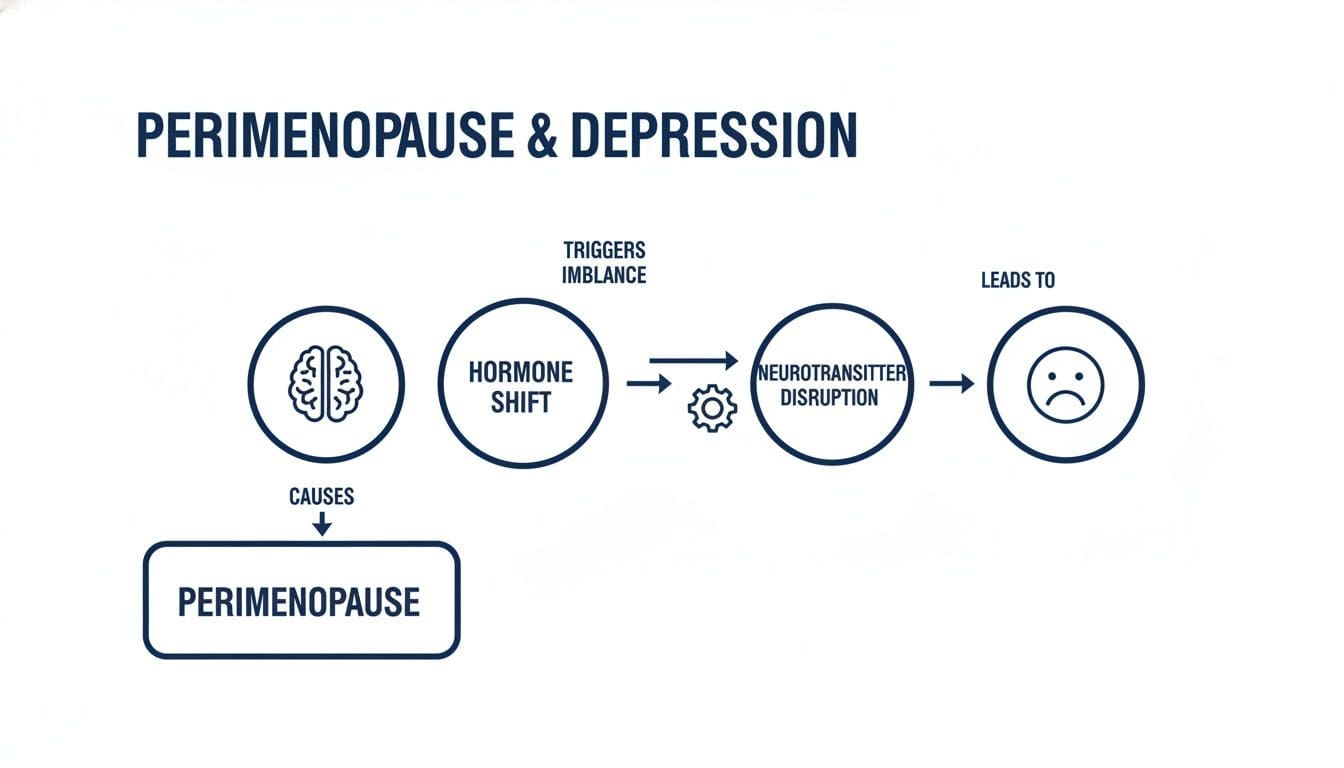
It is important to remember that these mood changes are not a personal failing. They are a direct outcome of a biological process.
The Stress Response System on Overdrive
Hormonal changes do not just affect mood chemicals; they also impact the body’s stress management system. This system, called the Hypothalamic-Pituitary-Adrenal (HPA) axis, is the command center for your body's stress response. It controls the release of cortisol, the main stress hormone.
Estrogen helps regulate the HPA axis, acting as a natural brake to prevent it from overreacting. As estrogen declines during perimenopause, this brake becomes less effective.
The result is an HPA axis that can become chronically activated. Your body may enter a constant state of low-grade "fight-or-flight," leaving you feeling anxious, irritable, and on edge, even without an obvious reason.
This continuous state of high alert has a significant impact on your mental health.
The Vicious Cycle of Physical and Emotional Symptoms
Perimenopause rarely involves just one symptom. The hormonal shifts impacting your brain also set off a chain of physical issues. These issues can create a vicious cycle that worsens feelings of depression.
- Poor Sleep: Hot flashes and night sweats are common results of estrogen drops and can make a full night's sleep nearly impossible. Chronic sleep deprivation is a well-known trigger and symptom of depression.
- Persistent Fatigue: When you aren't sleeping well and your body is running on high-alert with excess cortisol, a deep, persistent fatigue often develops. This is more than just feeling tired; it is an exhaustion that can make simple tasks feel overwhelming.
- Brain Fog: Many women report difficulty concentrating and memory lapses. These cognitive struggles can cause frustration and feelings of inadequacy, which further affect mood.
These symptoms often feed into one another. Poor sleep worsens your mood, which saps your energy, making it harder to manage stress—which, in turn, disrupts sleep again.
Understanding this interplay is crucial. Managing these hormonal shifts is a key part of feeling better. Some women explore supportive measures, and learning about different options like hormone balance supplements for women can offer helpful information. It can also be useful to see how hormones affect other conditions, as discussed in our article on hormones and ADHD.
Recognizing the Symptoms of Perimenopausal Depression
It’s easy to write off a low mood or constant irritability as just “stress.” During perimenopause, however, these feelings can point to something more significant. Knowing the specific signs of perimenopausal depression is the first step toward getting back to feeling like yourself.
This experience is much more than simple moodiness. It often shows up as a deep, persistent sadness that doesn’t lift, no matter what you do. This is a key reason why it is so important to understand that perimenopause can cause depression and to know what red flags to look for.
The Slow Creep of Symptoms
One of the trickiest parts of perimenopausal depression is its insidious onset. The changes can be so gradual you might not recognize them at first. You may notice you feel a bit more withdrawn, pessimistic, or quick to anger, but you brush it off—until one day you wake up and feel completely unlike yourself.
This slow build-up is why many women suffer in silence, believing they just need to “push through it.” Recognizing this pattern is critical for seeking help sooner.
Beyond Sadness: Emotional and Cognitive Signs
While a depressed mood is a core symptom, perimenopausal depression often brings a much wider range of emotional and cognitive changes. It’s a full mind-body experience.
- Anhedonia (Loss of Interest): This is a profound loss of joy in activities you once loved. A favorite hobby might suddenly feel like a chore, or spending time with family may feel draining instead of restorative.
- Feelings of Worthlessness or Guilt: You might find yourself stuck in a loop of self-critical thoughts or an overwhelming sense of guilt over minor issues. These feelings can feel powerful and often seem to come out of nowhere.
- Irritability and Anger: For some women, depression manifests as a short fuse rather than sadness. You may find yourself snapping at loved ones or feeling intense frustration over small things.
- Overwhelming Anxiety: Perimenopausal depression and anxiety are often intertwined. This can look like constant worry, racing thoughts, panic attacks, or specific fears about your health and future.
This emotional turmoil is a symptom, not a choice. The hormonal shifts directly affect brain regions that manage emotional regulation, making these feelings intense and difficult to control on your own.
Research confirms this is a common experience. Studies show that roughly 4 in 10 women (about 40%) experience significant mood symptoms during the perimenopausal transition. The risk of depression surges during this time, making it a critical period for mental health awareness. You can explore more about these mood changes from ACOG's expert insights.
The Physical Manifestations of Perimenopausal Depression
The emotional symptoms are often joined by distinct physical signs that can be just as debilitating. These aren’t separate problems but are directly tied to the same underlying hormonal and neurochemical shifts.
One of the most common is a bone-deep fatigue that sleep doesn’t fix. It’s a profound exhaustion that can make even simple tasks feel monumental. This fatigue is often made worse by sleep disturbances—another hallmark symptom. For many, understanding the connection between mood and sleep is a key piece of the puzzle.
Other physical red flags include:
- Changes in appetite or weight
- Unexplained aches and pains
- Noticeable "brain fog" or trouble concentrating
- Sudden tearfulness over seemingly minor issues
If this list of symptoms feels familiar, please know you are not being overly sensitive. These are real, measurable signs that your body and brain are struggling. Recognizing them is the first and most powerful step toward seeking support and finding a path back to wellness.
Is It Depression or Something Else?
Getting an accurate diagnosis is the first, most critical step toward feeling better. When you're struggling with sadness, fatigue, and irritability, these feelings are very real. But they can stem from several different conditions that often show up and overlap during midlife.
Distinguishing between them is essential. The right diagnosis is the only way to get the right treatment plan.
The symptoms of perimenopause don’t exist in a vacuum. What feels like depression might be a direct result of hormonal shifts, a separate mood disorder like Major Depressive Disorder (MDD), or even another medical issue like a thyroid problem. A qualified psychiatric nurse practitioner can help you untangle this complexity.
Untangling the Symptom Web
It's easy to feel lost when your symptoms don't fit neatly into one box. You might feel a deep, persistent sadness but also notice it gets much worse right before your period. Or maybe the constant brain fog and fatigue are more debilitating than your low mood.
This is exactly why a careful, differential diagnosis is so important. Think of your provider as a detective for your health. By looking closely at the specific patterns and timing of your symptoms, they can pinpoint the root cause. This ensures your treatment targets the real issue, not just the symptoms on the surface.
Comparing Common Culprits
Understanding the subtle but significant differences between these conditions empowers you to have a more productive conversation with your provider. While many symptoms overlap, the key differentiators are often found in their timing and core features.
Let's break down how perimenopausal depression compares to other conditions that can look and feel very similar.
Symptom Comparison Chart
This chart helps illustrate the key differences a provider looks for when making a diagnosis. It’s a useful tool for understanding why a detailed history is so important.
| Condition | Key Symptom Profile | Timing of Symptoms |
|---|---|---|
| Perimenopausal Depression | Persistent sadness, anhedonia (loss of joy), irritability, and fatigue. Often accompanied by classic perimenopause symptoms like hot flashes, night sweats, and irregular periods. | Onset is often in your 40s or early 50s. Symptoms are persistent but can fluctuate in intensity, not strictly tied to a monthly cycle. |
| Major Depressive Disorder (MDD) | Core symptoms include a consistently depressed mood and/or loss of interest or pleasure for at least two weeks. It can occur at any life stage and may be a pre-existing condition. | Symptoms are persistent and not directly linked to hormonal cycles. However, perimenopause can worsen a pre-existing or underlying MDD. |
| Premenstrual Dysphoric Disorder (PMDD) | Severe irritability, depression, or anxiety that is cyclical and predictable. Symptoms are severe enough to cause significant distress or impairment in daily life. | Symptoms begin in the luteal phase (the week or two before your period) and resolve completely within a few days after menstruation starts. This predictable pattern is the key diagnostic feature. |
| Thyroid Disorders | An underactive thyroid (hypothyroidism) can cause fatigue, weight gain, brain fog, and depression. An overactive thyroid (hyperthyroidism) can cause anxiety and irritability. | Symptoms are persistent and not cyclical. They are caused by an imbalance in thyroid hormones, which a provider can confirm with a simple blood test. |
It's important to remember that these conditions are not mutually exclusive. For instance, someone with a history of MDD can find their symptoms dramatically worsen during perimenopause, requiring a treatment plan that addresses both.
Understanding these distinctions isn't about self-diagnosing. It's about gathering information to help you advocate for yourself. An accurate diagnosis from a professional is the cornerstone of a personalized treatment plan that truly addresses the root cause of your symptoms, leading to more effective and lasting relief. This is the first step toward getting your life back.
Integrative Treatments That Restore Your Well-Being

Understanding that perimenopause can cause depression is just the first step. The next, and most important, is finding a clear path back to feeling like yourself again. An integrative approach looks beyond a single pill or therapy session. It recognizes that your emotional health is woven together with your hormones, lifestyle, and brain chemistry.
A psychiatric nurse practitioner is ideally suited to guide you through this. They can build a personalized plan that combines evidence-based medication with powerful, non-medication strategies to restore your sense of balance and well-being.
Personalized Medication Management
For many women, the right medication can provide the stability needed to break free from a depressive episode. It’s not about changing who you are; it’s about recalibrating your brain chemistry after hormonal chaos has thrown it off kilter.
A psychiatric nurse practitioner will help you decide if medication is the right move for you. Common choices include:
- SSRIs (Selective Serotonin Reuptake Inhibitors): These are often the first-line treatment for depression. They work by increasing available serotonin, helping to regulate mood, improve sleep, and restore your appetite.
- SNRIs (Serotonin-Norepinephrine Reuptake Inhibitors): This class of antidepressants can be very effective, too. They work on both serotonin and norepinephrine, another key neurotransmitter that influences your energy and alertness.
The real expertise lies in personalizing this process. Your provider will work with you to find the right medication and dosage, ensuring you get the most benefit with the fewest side effects. This isn't a one-size-fits-all approach; it’s tailored to your unique biology.
The Power of Psychotherapy
While medication can be a game-changer, it’s often most powerful when paired with psychotherapy. Therapy equips you with the tools to navigate your thoughts, behaviors, and emotions, building a resilience that will serve you for years to come.
Think of medication as patching a leaky boat to keep it from sinking. Therapy is learning how to read the weather, navigate the waters, and repair the hull yourself. You need both to complete the journey safely.
Cognitive Behavioral Therapy (CBT) is especially effective here. It helps you recognize, challenge, and reframe the negative thought patterns that fuel depression. A therapist can teach you practical skills to handle the irritability, anxiety, and low self-worth that often surface during perimenopause.
An Integrative Plan for Complete Wellness
A truly effective treatment plan has to address every piece of the puzzle. An integrative approach, coordinated by your psychiatric nurse practitioner, creates a network of support for both your mind and body.
This comprehensive strategy often includes:
- Nutritional Psychiatry: What you eat has a direct line to your hormones and brain chemicals. A plan might focus on foods rich in omega-3 fatty acids, phytoestrogens, and key vitamins to support hormonal balance and brain function.
- Targeted Exercise: We all know regular physical activity is a mood booster. Specific exercises, from strength training to yoga, can lower stress, improve sleep, and trigger the release of endorphins—your body’s own natural antidepressants.
- Collaboration on Hormone Replacement Therapy (HRT): If it's a good fit for you, your psychiatric nurse practitioner can work directly with your OB/GYN or primary care doctor. HRT can be a powerful tool for stabilizing the hormone swings that often drive perimenopausal depression.
- Advanced Lab Screenings: To get truly personal, advanced lab work can uncover specific nutritional gaps, hormonal imbalances, or even genetic markers that influence how you might respond to different treatments.
By looking at the complete picture, we make sure no stone is left unturned. Learning about a holistic depression treatment can give you a deeper understanding of how these different elements work together. The ultimate goal isn't just to get rid of symptoms—it's to bring back your vitality so you can thrive again.
How to Take Control with Telepsychiatry
Understanding that perimenopause can contribute to depression is a crucial first step. The next is finding accessible, effective support. For many busy women, the demands of daily life often make it difficult to prioritize their own health, but telepsychiatry offers a practical solution that removes many common barriers to care.
Seeking professional support should be a straightforward process, not another source of stress. Modern telepsychiatry provides a private and convenient path to specialized mental healthcare, allowing you to connect with a provider from the comfort and privacy of your home.
Your First Step Toward Feeling Better
Scheduling your initial online appointment is the first concrete action toward getting help. At Integrative Psychiatry of America, we've designed this process to be as simple and accessible as possible. Our primary goal is to connect you with a psychiatric nurse practitioner who specializes in the complex relationship between hormones, life stressors, and mental health.
During your confidential first consultation, you will have the dedicated time needed to explain your experiences. This is not a rushed, impersonal visit. It is a comprehensive evaluation where your provider will carefully listen to understand:
- The specific symptoms you are experiencing and their onset.
- Your complete health history, including any physical perimenopause symptoms.
- The unique stressors and challenges present in your daily life.
This whole-person approach is essential for developing a treatment plan that addresses the root causes of your symptoms, not just their surface-level presentation.
A Personalized, Integrative Treatment Plan
Your psychiatric nurse practitioner uses this initial evaluation to build a complete picture of your health. They take the necessary time to connect the dots between hormonal shifts, sleep disturbances, mood changes, and nutritional factors. This detailed understanding allows for the creation of a personalized, integrative care plan.
Taking control starts with a single, manageable action. By scheduling an online visit, you are choosing to prioritize your well-being and begin a partnership with a provider dedicated to helping you feel like yourself again.
This approach is particularly beneficial for women navigating the challenges of perimenopause. Care is tailored to your unique biology and life circumstances, moving beyond a one-size-fits-all model. You can learn more about how we structure online depression treatment at Integrative Psychiatry of America and what to expect.
Why Telepsychiatry Is Effective for Busy Women
For many women juggling careers, family, and other commitments, finding time for in-person appointments is a significant hurdle. Telepsychiatry eliminates this obstacle.
- No Travel Time: Appointments fit into your day without the need for a commute or taking significant time off work.
- Complete Privacy: You can speak openly and honestly from a space where you feel safe and comfortable, such as your own home.
- Flexible Access: It is easier to schedule follow-up visits and check-ins, ensuring your treatment plan remains on track and can be adjusted as your needs change.
- Specialized Care: You gain access to providers with specific expertise in perimenopausal depression, regardless of your location within Pennsylvania.
Ultimately, telepsychiatry provides direct, convenient access to the specialized, integrative care required to navigate this transition. Your path to reclaiming your emotional well-being is just one confidential consultation away.
Frequently Asked Questions
When you're dealing with the complexities of perimenopause and depression, you're bound to have questions. We hear many of the same concerns from our patients. Here are the clear, straightforward answers you need.
Will These Depressive Feelings Go Away After Menopause?
This is a common hope, but simply waiting it out is a risky bet. While the hormonal roller coaster flattens out after menopause, which can help some women, depression is a serious illness. It rarely goes away on its own.
Leaving perimenopausal depression untreated can make you more vulnerable to future episodes long after your hormones have settled. Tackling it head-on now with a professional gives you the tools to restore your well-being and build resilience that lasts a lifetime.
Can I Manage Perimenopausal Depression Without Medication?
For some, it's possible, especially when a comprehensive plan is in place. Therapy and lifestyle changes can be incredibly powerful tools.
- Therapy: Cognitive Behavioral Therapy (CBT) is especially effective. It helps you recognize and change the negative thought patterns that are fueling the depression.
- Lifestyle Changes: Never underestimate the power of consistent exercise, a diet rich in nutrients, and good sleep. These are foundational for a stable mood.
However, when symptoms are moderate to severe, it's hard to find the energy to even start making those changes. Medication can provide the stability you need to fully engage in therapy and build healthier habits. An integrative psychiatric nurse practitioner will work with you to figure out the right combination for your unique situation.
How Is Seeing a Psychiatric Nurse Practitioner Different?
Your family doctor is an essential part of your healthcare team, but a psychiatric mental health nurse practitioner (PMHNP) brings a specialist’s eye to the problem. For something as specific as perimenopausal depression, that specialized training is a game-changer.
A PMHNP offers:
- Deep-Dive Mental Health Assessments: They are trained to diagnose and treat complex mood disorders, understanding the nuances that others might miss.
- Expert Medication Management: Their focus is on psychiatric medications—fine-tuning them to get the most benefit with the fewest side effects.
- Integrative Strategies: They are trained to weave nutrition, lifestyle adjustments, and therapy referrals into your treatment plan for a whole-person approach.
This level of focus ensures your care truly addresses the intricate link between your hormones, brain chemistry, and overall health.
Is Telepsychiatry as Effective as In-Person Care?
Yes, absolutely. A large body of research has confirmed that for treating conditions like depression, telepsychiatry is just as effective as seeing a provider in person. It delivers the exact same standard of professional care, but with the added benefits of convenience and privacy.
Of course, security is paramount. When looking at virtual care, it’s vital to choose a service that uses secure, private technology. You can learn more about the standards behind these services by researching HIPAA Compliant Video Conferencing Platforms. Ultimately, telepsychiatry makes it easier than ever to get the specialized support you need, right when you need it.
At IPA Integrative Psychiatry of America, we provide compassionate, expert care tailored to your unique journey through perimenopause. Take the first step toward reclaiming your emotional health by scheduling a confidential online consultation today.