
When people hear Depakote and depression mentioned in the same sentence, it’s easy to think the medication is a standard antidepressant. The reality is a bit more complex. Depakote (valproate) is not a first-line treatment for major depression, but it has a specific role in managing the depressive episodes of bipolar disorder.
This is what we call an "off-label" use, where a medication is prescribed for a purpose other than what the FDA officially approved it for.
Clearing Up Confusion About Depakote and Depression
Think of it like a skilled carpenter’s toolbox. The hammer is designed for driving nails—that's its approved, primary purpose. But an experienced carpenter might occasionally use the side of the hammer to gently tap a board into place. It's an effective technique, but not what the tool was originally made for.
In mental health care, we see Depakote in a similar light. It’s an excellent tool for its approved uses, like controlling manic episodes in bipolar disorder. Its use for bipolar depression is more like that secondary technique—a careful, considered choice made by a knowledgeable clinician, like a psychiatric nurse practitioner.
What Off-Label Use Really Means
"Off-label" doesn't mean experimental or unproven. It simply means a psychiatric nurse practitioner is using their clinical judgment and scientific evidence to treat a condition that wasn't part of the drug's original FDA approval. This is a very common and legal practice in medicine. It allows us to use established medications to help patients with complex needs that don’t fit a simple diagnostic box.
For Depakote, its off-label role in managing depression is a subject of ongoing study and clinical experience. While it was first approved for acute mania way back in 1994, its effectiveness for the depressive side of bipolar disorder is less definitive. Some studies, including a major Cochrane review, have shown that valproate can bring modest improvements in depression symptoms compared to a placebo. You can explore these findings on the use of valproate in psychiatry to see the data for yourself.
To quickly summarize where Depakote fits, here’s a simple breakdown of its approved versus off-label uses in mental health.
Depakote At a Glance: Approved vs. Off-Label Uses
| Condition | FDA Approval Status | Common Clinical Context |
|---|---|---|
| Manic Episodes (Bipolar I) | Approved | A primary, first-line treatment for controlling acute mania. |
| Seizure Disorders (Epilepsy) | Approved | Widely used as an anticonvulsant. |
| Migraine Prevention | Approved | Prescribed to reduce the frequency of migraine headaches. |
| Bipolar Depression | Off-Label | Considered as a mood stabilizer, often when antidepressants alone are inappropriate or ineffective. |
| Major Depression (MDD) | Not Approved | Rarely used; not a standard treatment for unipolar depression. |
This table helps show why a proper diagnosis is so important. Using Depakote for depression is highly dependent on whether that depression is part of bipolar disorder or not.
The Critical Distinction: Bipolar vs. Major Depression
Understanding the difference between these two conditions is absolutely essential for safe and effective care.
- Major Depressive Disorder (MDD): Also known as unipolar depression, this involves persistent low moods, loss of interest, and low energy. Crucially, there is no history of manic or hypomanic "highs."
- Bipolar Depression: This is the depressive phase within bipolar disorder. People with bipolar disorder cycle between these lows and periods of mania (extreme energy, racing thoughts, impulsivity) or hypomania (a milder form of mania).
This isn't just a technicality—it has massive implications for your treatment. Prescribing a standard antidepressant to someone who actually has bipolar depression can be risky, as it can sometimes trigger a manic episode and make the condition much worse.
This is why mood stabilizers like Depakote are brought in—to help prevent those dramatic mood shifts. Advanced tools can sometimes help clarify a diagnosis; for example, our clinic may use genetic testing for mental health to get more data to inform treatment decisions. Your psychiatric nurse practitioner will always start with a detailed assessment to ensure your diagnosis is accurate before building any medication strategy.
Bipolar Depression vs. Major Depression: Why It Matters
Getting the right diagnosis is the single most important step in creating a treatment plan that actually works. The difference between bipolar depression and Major Depressive Disorder (MDD) isn't just a technicality—it’s the key to making sure your treatment is both safe and effective, especially when we talk about medications like Depakote.
Think of it like two completely different weather patterns. Major Depression is like a long, relentless season of gray, rainy days. Your mood stays low, your energy is gone, and there are no breaks in the clouds. This is a state of unipolar (or one-sided) depression.
Bipolar disorder, however, is a much more volatile climate that swings from one extreme to the other. It includes those same deep, exhausting depressive lows, but it also has periods of mania or hypomania—the “highs.” These are episodes of unusually high energy, racing thoughts, and sometimes impulsive or reckless behavior.
Why the Wrong Diagnosis Can Be Risky
This distinction is critical because these two conditions need very different treatment strategies. Giving a standard antidepressant, like an SSRI, to someone with MDD can be incredibly helpful. But giving that same medication to someone with undiagnosed bipolar disorder can be like throwing gasoline on a hidden fire.
Standard antidepressants can sometimes trigger a switch into a manic or hypomanic episode for someone with bipolar disorder. This can actually make the illness worse over time, causing more rapid mood swings and greater instability.
This is exactly why a thorough, careful diagnosis from a skilled psychiatric nurse practitioner is non-negotiable. We need to explore your entire history to see if there have been any periods of elevated mood in the past that might not have seemed like a big deal at the time, but are part of a larger pattern. Using Depakote for depression is almost always considered in the context of managing these mood cycles.
This infographic helps show how medications get used—either for their official, FDA-approved purpose or for an “off-label” reason based on a provider’s expert clinical judgment.
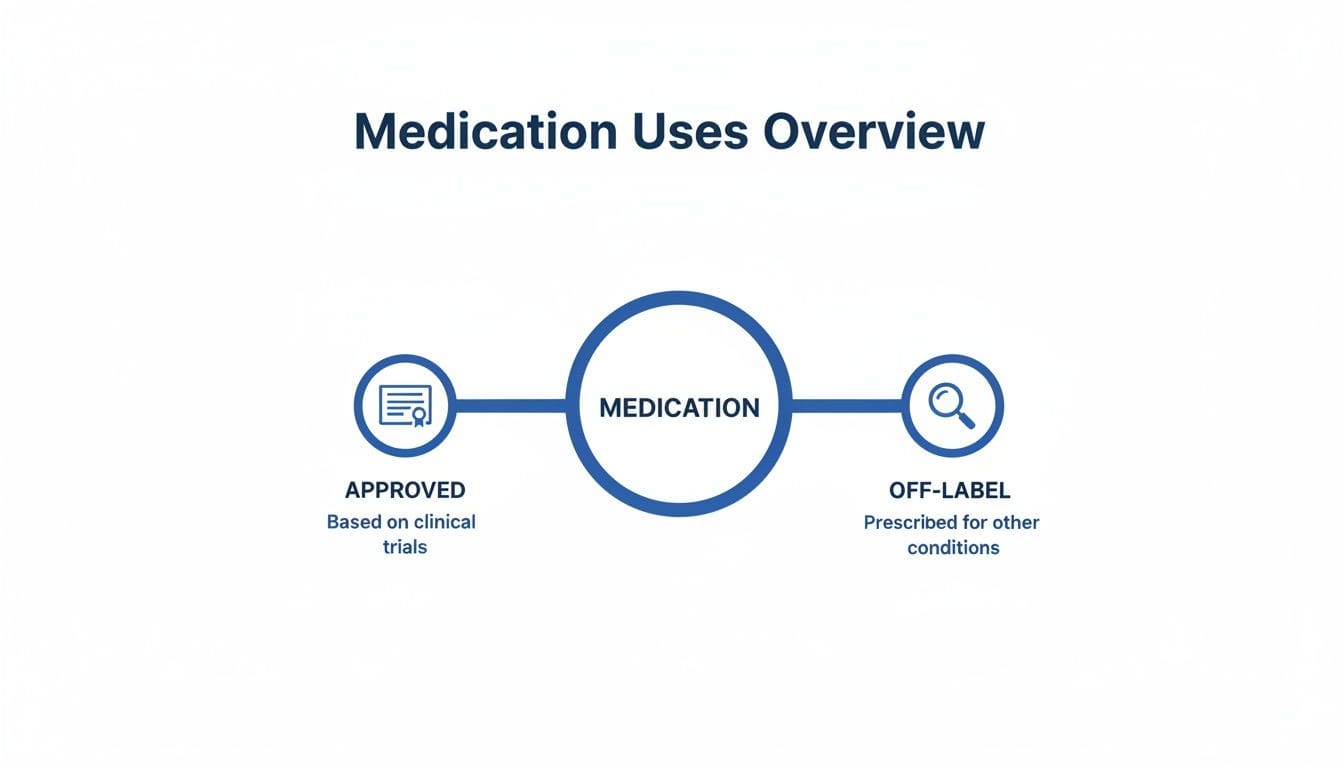
As you can see, some uses are officially approved based on large-scale studies, while others are considered “off-label,” where a provider uses their expertise to find a solution tailored to a patient's specific needs.
The Role of Mood Stabilizers
In bipolar disorder, the main goal isn't just to lift depression. It’s to create stability and prevent the swings from happening in the first place. This is where mood stabilizers, the class of medication Depakote belongs to, are essential.
Think of a mood stabilizer like the suspension system on a car. Its job isn’t just to lift the car up. It’s to absorb the shocks from both the bumps (mania) and the deep dips (depression) in the road, creating a much smoother and more stable ride.
The treatment goals are fundamentally different:
- For Major Depression (MDD): The focus is on lifting the persistent low mood and getting you back to feeling like yourself.
- For Bipolar Depression: The goal is to treat the depression without accidentally triggering a swing into mania. This requires a focus on overall mood stability first and foremost.
Because Depakote and depression treatment is so dependent on the right diagnosis, your provider will spend a lot of time understanding your complete symptom history. If you're dealing with depressive symptoms, learning more about a holistic depression treatment approach can show you how we consider all aspects of your health. A correct diagnosis ensures any medication strategy—especially one involving the off-label use of a powerful drug like Depakote—is chosen for the right reasons, with your safety as the top priority.
When you’re grappling with the heavy burden of bipolar depression, you really only want to know one thing: will this medication work for me? For Depakote and depression, the answer isn’t a simple yes or no. The scientific evidence is mixed, and knowing why is the first step toward having a confident talk with your psychiatric nurse practitioner.
Depakote has a strong, FDA-approved track record for treating mania. Its role in bipolar depression, however, is much less clear. It's like a powerful tool designed for one specific job. It excels at that job (mania), but when you try to use it for another task (depression), the results aren't always as reliable.
Translating the Research into Reality
Clinical trials are how we measure if a medication is effective. For Depakote and bipolar depression, these studies have produced inconsistent results. While some smaller, open-label studies (where everyone knows what medication is being taken) hinted at a benefit, larger and more rigorous trials have only shown a modest effect.
The data tells a complicated story. The FDA first approved Depakote for acute mania back in 1994, and it was later approved for mixed episodes. But it has never received an official FDA approval for treating the depressive side of bipolar disorder.
Digging into the research, it’s easy to see the hesitation. Some analyses found a small but statistically significant improvement in depression scores compared to a placebo. However, a major Cochrane review concluded that the evidence for its long-term use in preventing depressive episodes is still quite limited. You can explore detailed insights on valproic acid in psychiatry to better understand its history and use.
This is why using Depakote for bipolar depression is considered "off-label"—a decision based on a provider's clinical judgment, not on a clear green light from major studies.
Why Study Results Can Be Confusing
It’s easy to feel lost in terms like "statistical significance" and "sample size." Let’s break them down, because they explain why the data on Depakote for depression is so varied.
Statistical Significance: This is a math-based measure that helps us know if a study’s results were likely due to the medication itself or just pure chance. A "statistically significant" result means it's very unlikely the findings were a fluke.
Sample Size: This is just the number of people who participated in a study. A bigger sample size usually leads to more reliable results because it smooths out the effects of individual quirks and random chance.
Many studies on Depakote for bipolar depression used small sample sizes. Think of it like a quick poll. If you ask five friends if they like a new movie, you might get a skewed answer. If you ask 5,000 people, you get a much clearer picture of what the general audience thinks.
If a small study shows a positive effect, but that effect can't be repeated in larger, more diverse groups, we can’t be sure the medication is truly effective for most people. This is a common challenge when evaluating Depakote and depression.
Because of these limitations, most psychiatric nurse practitioners don’t see Depakote as a first-choice treatment for bipolar depression. Instead, it’s often considered when other, more proven options like lithium or certain antipsychotics haven’t worked or caused difficult side effects. Your nurse practitioner at IPA will weigh your specific symptoms, treatment history, and overall health to see if it’s a logical fit for your personalized care plan.
Understanding Depakote Side Effects and Safety Risks
Starting any new medication can feel a little daunting, especially when you hear about potential side effects. But discussing risks isn't about creating fear—it's about building a strong, open partnership with your psychiatric nurse practitioner.
When we talk about the connection between Depakote and depression, it's crucial to have a clear picture of the safety measures involved. This knowledge empowers you to make informed decisions and work together with your provider as a team.
One of the most important things to know is that Depakote, like many antiepileptic drugs, carries a serious FDA black box warning. This warning points to an increased risk of suicidal thoughts and behaviors. While the risk is small, it’s a critical piece of information that highlights why close monitoring and honest communication are so essential.
Can Depakote Worsen Depression
It’s a fair question: can a medication intended to stabilize mood sometimes make depression worse? For a small number of people, the answer is yes. Mood changes, including new or worsening depression, can be a side effect.
This is exactly why tracking your mood is so vital when you first start taking Depakote. If you notice any negative shifts, you should report them to your nurse practitioner right away.
The risks tied to antiepileptic drugs like valproate (Depakote) are not something we take lightly. FDA data has shown these medications can nearly double the risk of suicidal behaviors, affecting up to 1 in 500 patients treated. This is a key difference from other mood stabilizers like lithium, which can actually have a protective, anti-suicidal effect. For anyone seeking online depression treatment, it's a reminder of why expert guidance is so important.
Common Side Effects and Physical Health Impacts
Beyond the potential for mood changes, Depakote has several other common side effects that we need to keep an eye on. These can affect your physical health and day-to-day life, which makes ongoing management a priority.
Key side effects to watch for include:
- Weight Gain: This is one of the more common and frustrating side effects. In direct comparison studies, Depakote has been shown to cause more significant weight gain than some other mood stabilizers.
- Hair Loss: Some individuals might notice temporary hair thinning or loss.
- Digestive Issues: Nausea, vomiting, and stomach pain are possible, particularly when you first start the medication.
- Drowsiness and Dizziness: Feeling tired or lightheaded can happen. It’s important to see how the medication affects you before driving or doing other tasks that require full alertness.
Because weight gain is a real concern for many, integrating lifestyle and dietary strategies from the start can make a big difference. For those who find this particularly challenging, our clinic also offers guidance on related topics, including whether GLP-1 weight loss medications are right for you.
The Critical Role of Safety Monitoring
Due to its effects on the body—especially the liver and blood—regular monitoring isn't optional with Depakote. It’s a mandatory part of safe treatment. This proactive approach allows your nurse practitioner to catch potential issues early, long before they become serious problems.
Safety monitoring is not just a box to check; it is the foundation of responsible Depakote treatment. Regular lab work is our window into how your body is handling the medication, ensuring we are helping, not harming.
Your nurse practitioner will follow a structured plan to keep you safe. This usually involves a few key blood tests before you start treatment and then periodically afterward. Here is what you can generally expect.
Essential Monitoring While Taking Depakote
This table outlines the key safety checks your psychiatric nurse practitioner will perform to ensure your treatment is both safe and effective.
| Monitoring Checkpoint | Why It Is Important | Typical Frequency |
|---|---|---|
| Liver Function Tests (LFTs) | Depakote is processed by the liver, so these tests check for any signs of liver stress or damage. | Before starting, then periodically (e.g., every 3-6 months). |
| Complete Blood Count (CBC) | To monitor platelet levels. Depakote can sometimes cause a drop in platelets, which are essential for blood clotting. | Before starting and then as needed based on symptoms. |
| Valproic Acid Level | This blood test measures the amount of medication in your system to ensure it's in the safe and effective "therapeutic range." | A few weeks after starting or changing a dose, then periodically. |
This consistent oversight is what makes it possible to use a powerful medication like Depakote safely and effectively. It creates a transparent and manageable partnership where you and your provider are working together to protect your overall health.
Modern Alternatives and Integrative Treatment Options

Effective mental health care is never about finding one magic pill. Since the evidence for using Depakote for depression can be inconsistent, it’s important to understand what other options are on the table. A modern, whole-person approach to bipolar depression combines evidence-based medications with powerful non-medication strategies.
This isn’t a matter of choosing one over the other. It’s about building a plan that addresses your unique biology, psychology, and lifestyle. This integrated approach is how we build lasting mental resilience.
Evidence-Based Medication Alternatives
When Depakote isn't the right fit for managing bipolar depression, your psychiatric nurse practitioner has several other well-researched medications to consider. These options often have stronger evidence specifically for treating the depressive side of the illness.
Some of the most common and effective alternatives include:
- Lithium: Often called the "gold standard" for bipolar disorder, lithium is highly effective at preventing both manic and depressive episodes. It also has a unique anti-suicidal property that makes it a powerful choice for many individuals.
- Lamotrigine (Lamictal): This mood stabilizer is especially good at preventing depressive episodes in bipolar disorder. It's often a first-choice medication if your primary struggle is with the "lows."
- Atypical Antipsychotics: Certain medications in this class have FDA approval for treating bipolar depression. Options like quetiapine (Seroquel), lurasidone (Latuda), and the combination of olanzapine and fluoxetine (Symbyax) are all proven to be effective.
Each of these alternatives comes with its own set of benefits and potential side effects. The right choice depends entirely on your specific symptoms, medical history, and personal treatment goals. A collaborative discussion with your psychiatric nurse practitioner is key.
The Non-Negotiable Role of Psychotherapy
Medication can be incredibly effective at creating stability, but it's only one piece of the puzzle. Psychotherapy, or "talk therapy," is essential for learning the skills to navigate bipolar disorder and build a fulfilling life.
Think of medication as the foundation of a house—it provides stability and support. Therapy is the framework and interior design—it’s what makes the house a functional and comfortable home.
Medication stabilizes your brain chemistry, but therapy rewires your thinking patterns. True, long-term wellness requires both.
Several types of therapy are particularly helpful for bipolar disorder:
- Cognitive Behavioral Therapy (CBT): This therapy helps you identify and change the negative thought patterns and behaviors that can trigger or worsen depressive episodes.
- Dialectical Behavior Therapy (DBT): DBT teaches crucial skills in mindfulness, emotion regulation, distress tolerance, and interpersonal effectiveness. These are all vital for managing intense mood shifts.
- Family-Focused Therapy: Bipolar disorder affects the whole family. This therapy educates family members and improves communication and problem-solving skills within your support system.
Lifestyle: The Foundation of Mental Resilience
You cannot medicate your way out of a poor lifestyle. The choices you make every single day around nutrition, exercise, and sleep have a profound impact on your mood stability. An integrative approach, like the one we practice at Integrative Psychiatry of America, recognizes these are not "extras"—they are core components of treatment.
Nutrition and Mood
Your brain needs specific nutrients to function at its best. A diet rich in omega-3 fatty acids (found in fish), antioxidants (from fruits and vegetables), and whole grains can support brain health. On the other hand, diets high in processed foods, sugar, and unhealthy fats can contribute to inflammation and worsen mood symptoms.
Targeted Exercise
Regular physical activity is one of the most powerful natural antidepressants available. Exercise helps regulate neurotransmitters, reduce stress hormones, and improve sleep. Even moderate activity, like a brisk 30-minute walk several times a week, can make a significant difference.
Mindfulness and Stress Management
Chronic stress is a major trigger for both manic and depressive episodes. Practices like mindfulness meditation, yoga, and deep breathing exercises can help lower your baseline stress level, making you less vulnerable to mood swings.
If you are exploring a range of options for your mental health, you may find it useful to read about ketamine treatment for anxiety and depression, another area where an integrative approach is key. By combining these strategies, you and your psychiatric nurse practitioner can create a robust plan that goes far beyond just managing symptoms.
Partnering with Your Telepsychiatry Nurse Practitioner
Your mental wellness journey is a collaborative effort. Think of your psychiatric nurse practitioner as a partner. Telepsychiatry makes it easier than ever to get consistent, high-quality care, but knowing how to engage in your appointments is what truly drives success, especially when discussing complex medications for Depakote and depression.
Effective treatment is built on open and honest communication. Your psychiatric nurse practitioner needs a clear picture of what you’re experiencing to make the best clinical decisions. The most powerful thing you can do for your health is to become an active, informed participant in your own care.
Making the Most of Your Telehealth Sessions
To ensure every appointment is productive, a little prep work goes a long way. It can be surprisingly hard to remember symptoms or questions in the moment, so take a few minutes beforehand to get organized.
Here are a few tips from our team:
- Track Your Symptoms: Keep a simple daily log of your mood, energy, sleep, and any side effects. Even a simple 1-to-10 rating scale provides incredibly useful data.
- Write Down Your Questions: Don't leave it to memory. Jot down any questions or concerns you have about your medication, symptoms, or the overall treatment plan as they come to you.
- Do a Quick Tech Check: Before your session, make sure your device is charged, your internet connection is solid, and you have a quiet, private space where you can speak freely.
This simple preparation ensures your appointment time is focused and efficient, letting you and your nurse practitioner dive right into what matters most.
Communicating Clearly with Your Provider
A strong therapeutic relationship is built on clear communication. Your psychiatric nurse practitioner is your guide, but they can only help with what they know. Never hesitate to be completely honest about your experiences—the good, the bad, and the in-between.
Your voice is the most important tool in your treatment. Sharing details about your daily life, struggles, and successes gives your provider the insights they need to tailor your care effectively.
When talking about your treatment, get specific. Instead of just saying, "I feel bad," try to add more detail. For example, "For the last five days, my energy has been so low that I've had a hard time getting out of bed in the morning." This kind of specific information helps your provider pinpoint exactly what's going on.
If you're looking for support with depressive symptoms, you can find more information about our approach to online depression treatment at Integrative Psychiatry of America. Our goal is to empower you to be a confident and active partner in your mental health journey, right from your home anywhere in Pennsylvania.
Frequently Asked Questions About Depakote
It’s completely normal to have questions when considering a medication like Depakote. This is especially true when it's mentioned for mood, but not in the way you might expect.
Here are clear, direct answers to some of the most common questions our psychiatric nurse practitioners hear from patients about using Depakote for depression.
Can Depakote Be Used for Regular Depression?
It's highly unlikely. Depakote is not a go-to treatment for what many people call "regular" depression, clinically known as Major Depressive Disorder (MDD).
For MDD, psychiatric nurse practitioners almost always recommend other medications first, like SSRIs or SNRIs. These medications have a much stronger track record and more evidence supporting their effectiveness for this specific condition.
Depakote would only be considered for MDD in very specific, complex cases—usually after many other approved treatments haven’t worked. Its primary job in managing mood is for bipolar disorder.
What Are the Most Important Blood Tests?
Safety is the top priority when taking Depakote, and that means regular monitoring. Your psychiatric nurse practitioner will order a few key blood tests to make sure the medication is working safely for you.
The three most critical tests are:
- Liver Function Tests (LFTs): Depakote is processed by your liver, so these tests help us watch for any signs of stress or damage.
- A Complete Blood Count (CBC): This test monitors your platelet levels. Platelets are essential for blood clotting, and Depakote can sometimes cause these levels to drop.
- Valproic Acid Level: This test is simple but crucial. It measures the exact amount of medication in your bloodstream to ensure you’re in a dose range that is both safe and effective.
We typically run these tests before you even start the medication and then check them periodically throughout your treatment.
The most significant risk associated with Depakote is its potential to cause serious birth defects. This risk is not small, and it makes effective contraception essential for anyone of childbearing potential taking this medication.
Is It Safe to Get Pregnant on Depakote?
No, Depakote is not considered safe to take during pregnancy. It carries a major risk of causing severe birth defects, particularly neural tube defects like spina bifida, which can happen very early in a pregnancy.
Beyond that, studies have linked it to potential long-term effects on a child’s cognitive development, including lower IQ scores.
If you are taking Depakote and there is any chance you could become pregnant, using a highly reliable form of birth control is absolutely critical. If you are thinking about planning a pregnancy, you must talk with your psychiatric nurse practitioner far in advance. Together, you can create a safe plan to switch to a different medication before you conceive.
At Integrative Psychiatry Of America, our psychiatric nurse practitioners are committed to providing personalized, evidence-based care that prioritizes your safety and well-being. If you have questions about your mental health treatment, we invite you to connect with us. Schedule a consultation today by visiting https://integrativepsychiatryofamerica.com.