
There's a simple truth at the heart of modern mental healthcare: what you eat directly shapes your brain's structure, function, and resilience. This isn't just a wellness trend; it's a fundamental principle of psychiatric care.
Think of your brain as a high-performance car. It needs premium fuel—vitamins, minerals, and high-quality proteins—to run smoothly. Processed foods, on the other hand, are like cheap, low-grade gas that clogs the engine, leading to sluggish performance.
The Undeniable Link Between Food and Mood
Your brain is always working, running everything from your complex thoughts and emotions to your heartbeat and breathing. To keep up with this constant demand, it requires a steady, reliable supply of energy and nutrients from the food you consume.
A growing body of research shows a clear pattern. Diets high in processed foods are consistently linked to a higher risk for depression and anxiety, while whole-food diets are associated with a greater sense of well-being and mental clarity.
This guide will break down the science behind this connection. We’ll explore the specific biological pathways that explain why what’s on your plate has such a profound impact on how you feel.
Four Key Nutritional Pathways Affecting Mental Health
The relationship between your diet and your mood isn't a coincidence. It's built on a few key biological mechanisms that directly connect your digestive system, your immune system, and your brain.
We've summarized these pathways in the table below to give you a quick overview of how specific dietary choices can influence your mental state.
| Pathway | How It Works | Key Nutrients Involved |
|---|---|---|
| Gut-Brain Axis | A two-way communication highway. Your gut microbes produce neurotransmitters, like serotonin, that regulate mood. | Probiotics, Prebiotics, Fiber |
| Inflammation | A diet high in sugar and processed foods can cause chronic inflammation, which contributes to depression and fatigue. | Omega-3s, Antioxidants (Vitamins C & E), Zinc |
| Micronutrients | Your brain needs specific vitamins and minerals to build neurotransmitters and protect brain cells from damage. | B Vitamins, Magnesium, Iron, Zinc |
| Blood Sugar Control | Sharp spikes and crashes in blood sugar affect energy levels and can lead to irritability, anxiety, and brain fog. | Complex Carbohydrates, Protein, Healthy Fats |
By understanding these four core pathways, you can start making more informed choices to support your brain health every day. Now, let's take a closer look at a few of these crucial connections.
The Gut-Brain Axis
This is the two-way communication superhighway connecting your digestive system directly to your brain. What happens in your gut doesn't stay in your gut. In fact, your gut is responsible for producing over 90% of your body's serotonin, one of the most important neurotransmitters for mood stability. A healthy gut environment fosters a better mood.
Inflammation
Chronic, low-grade inflammation is a major culprit behind many mental health symptoms. Fueled by sugar, unhealthy fats, and processed foods, this inflammation can trigger brain fog, persistent fatigue, and symptoms of depression. An anti-inflammatory diet, rich in fruits, vegetables, and healthy fats, can help calm this response.
Micronutrient Availability
Your brain can't function without the right raw materials. It relies on a steady supply of specific vitamins and minerals—micronutrients—to build neurotransmitters and protect brain cells from oxidative stress. Deficiencies in key nutrients like B vitamins, magnesium, or zinc can directly impair your cognitive function and mood.
Nutritional psychiatry offers an empowering and accessible strategy for anyone looking to support their mental well-being. It focuses on using food as a tool to improve brain health, often in conjunction with traditional psychiatric care.
This integrative approach is pioneered by practices like IPA Integrative Psychiatry of America for patients throughout Pennsylvania, demonstrating that a holistic plan is key. By understanding these pathways, you can make powerful dietary choices that nourish both your body and your mind.
For a deeper dive, learn more about how we integrate nutrition into our psychiatric care for conditions like ADHD and depression.
Your Gut Is Your Second Brain
Have you ever felt “butterflies” in your stomach when nervous or made a “gut decision”? These common phrases point to a profound biological reality: your gut and brain are in constant communication. This intricate network is known as the gut-brain axis, a two-way superhighway that directly links your digestive system with your central nervous system.
This isn't just a vague feeling; it's a physical connection. Your gut is lined with millions of nerve cells, an extensive network sometimes called the "second brain." What happens in your gut doesn’t stay there—it sends a steady stream of messages that influence your mood, thoughts, and emotions.
A huge part of this connection involves neurotransmitters. For instance, over 90% of your body's serotonin, a key neurotransmitter for regulating mood and promoting feelings of well-being, is actually produced in your gut. This production is heavily influenced by the trillions of microbes living in your digestive tract.
The Microbiome: Your Inner Ecosystem
Think of your gut microbiome as a bustling, microscopic city inside you, populated by trillions of bacteria, viruses, and fungi. These microbes act like tiny chemical factories. They break down the food you eat and transform it into essential compounds your body and brain need to function.
A healthy, diverse microbiome is a clear sign of good health. It produces vitamins, helps you digest fiber, and creates short-chain fatty acids (SCFAs) that protect your gut lining and reduce inflammation. These beneficial microbes are crucial for maintaining an internal balance that supports mental resilience.
On the other hand, a poor diet can quickly throw this delicate ecosystem off balance.
"A diet rich in processed foods, sugar, and unhealthy fats can disrupt this balance, leading to a condition called 'dysbiosis.' In this state, harmful bacteria can outnumber the beneficial ones, sending stress and inflammatory signals directly to your brain."
This imbalance is a key reason why understanding the link between nutrition and mental health is so vital. A diet that harms your gut can directly contribute to symptoms of anxiety and depression. You can learn more about the critical role of gut health in mental health in our detailed article.
The framework below shows just how deeply food impacts your brain's structure, function, and resilience.
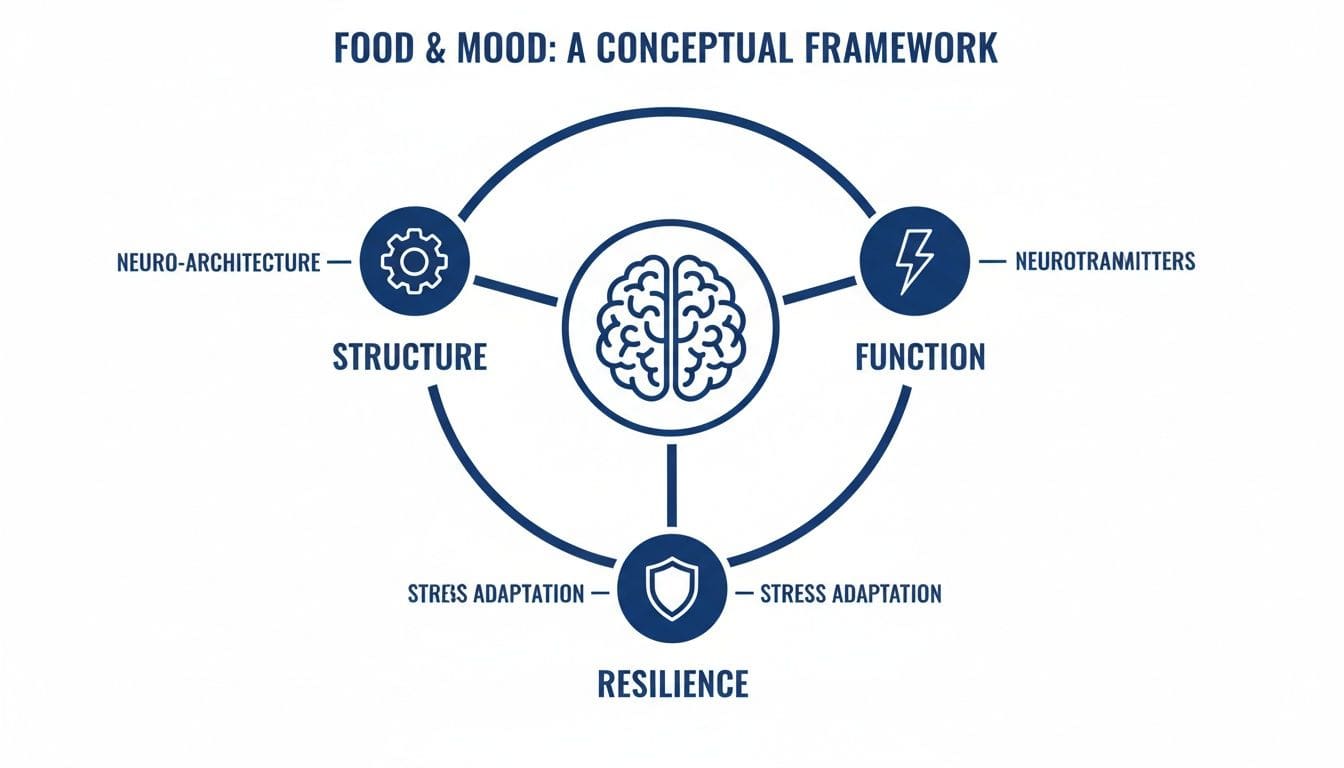
This visual highlights that the food you eat provides the building blocks for your brain's physical structure, fuels its everyday functions, and strengthens its ability to withstand stress.
How to Nourish Your Gut for a Better Mood
So, how can you use this information to your advantage? The key is to feed your "good" gut bacteria and starve the "bad" ones. This involves focusing on foods that support a healthy, diverse microbiome.
- Increase Your Fiber Intake: Beneficial gut microbes thrive on fiber found in fruits, vegetables, whole grains, nuts, and seeds. Fiber acts as a prebiotic, which is essentially food for your healthy bacteria.
- Incorporate Fermented Foods: Foods like yogurt, kefir, kimchi, and sauerkraut are rich in probiotics—live, beneficial bacteria. Regularly eating these foods helps replenish your gut’s supply of helpful microbes.
The evidence for this approach is strong. Studies show that people following traditional dietary patterns, like the Mediterranean or Japanese diets, have a 25% to 35% lower risk of depression compared to those eating a standard Western diet.
These eating patterns are rich in vegetables, fruits, unprocessed grains, and fish while minimizing the refined sugars and processed foods linked to impaired brain function. Many of these diets also naturally include fermented foods that act as natural probiotics, helping to reduce inflammation and support a more stable mood.
By consciously choosing foods that nourish your gut, you are making a direct investment in your mental health. This powerful connection gives you a practical, everyday tool for building a more resilient and balanced mind.
Fighting Brain Fog With Anti-Inflammatory Foods
Chronic inflammation is often described as a low-grade, "smoldering fire" inside the body. While a short-term inflammatory response is a healthy reaction to an injury, this chronic version is a persistent state of high alert that can damage healthy tissues—including those in your brain. This internal fire directly impacts mental health, often showing up as depression, anxiety, and that all-too-common feeling of persistent brain fog.
This inflammatory state isn’t random. It’s heavily influenced by what you eat. Certain foods act like gasoline on the fire, while others work like a team of dedicated firefighters.
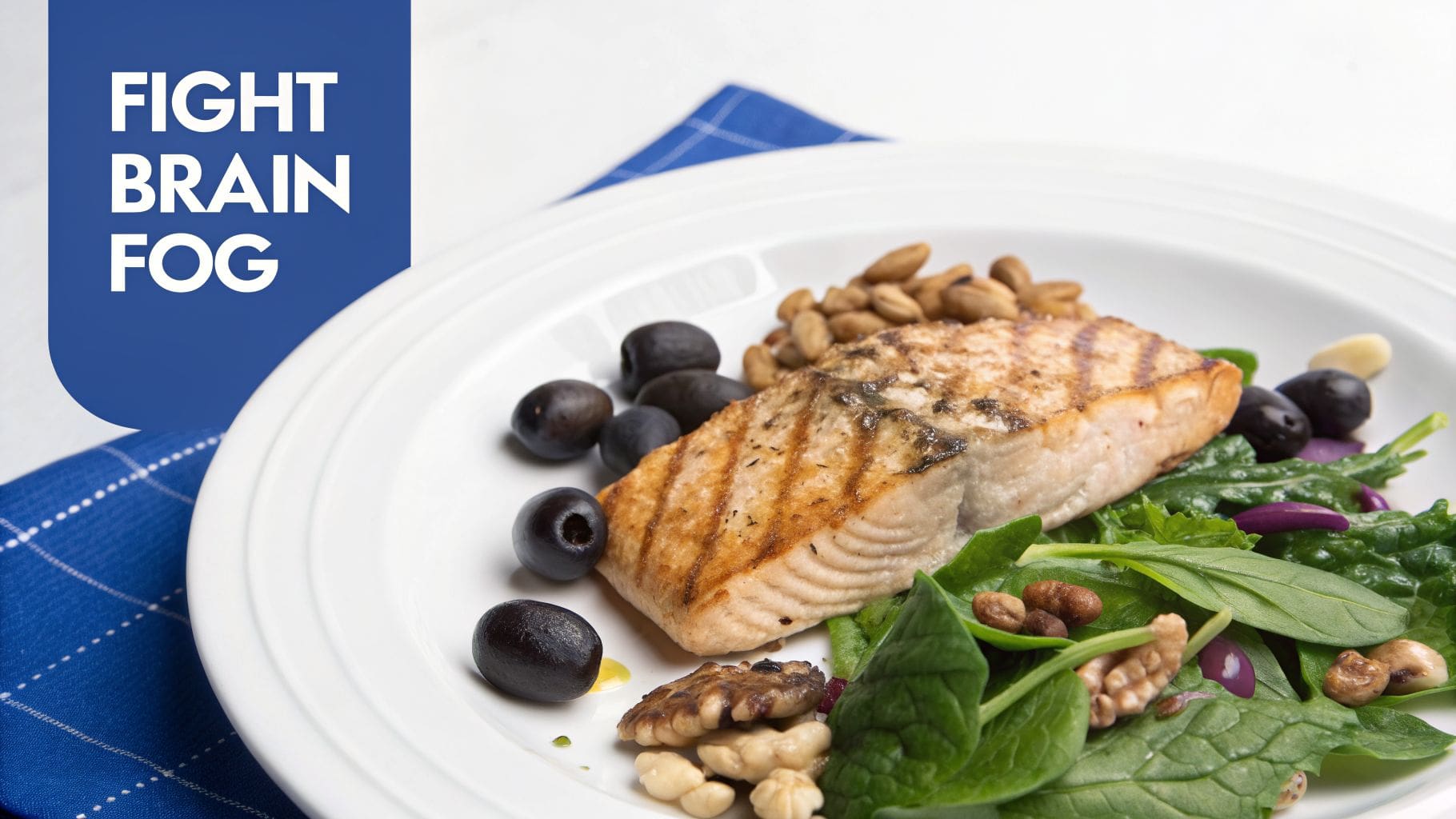
Foods That Fuel the Fire
The main culprits behind diet-induced inflammation are usually the staples of a modern Western diet. We’re talking about ultra-processed foods, excessive sugar, and unhealthy fats, which create the perfect conditions for inflammation to thrive. When you eat these foods, your body releases inflammatory messengers called cytokines that can cross the blood-brain barrier and disrupt normal brain function.
This is a key pathway for how diet impacts mental health. The inflammatory cascade triggered by poor food choices directly contributes to feelings of lethargy, low mood, and trouble concentrating. You can learn more about this connection in our detailed guide on ultra-processed foods and neural inflammation.
The Mediterranean Diet: A Blueprint for Brain Health
So, how do you put out this fire? The most effective strategy is adopting an anti-inflammatory eating pattern. The Mediterranean diet consistently stands out as the gold standard, celebrated for its profound benefits for both body and mind.
This isn’t just a rigid list of "good" and "bad" foods. It's a whole way of eating that emphasizes whole, nutrient-dense ingredients that actively combat inflammation.
The core principle is simple: replace inflammatory foods with natural "firefighters." These are foods rich in antioxidants, healthy fats, and polyphenols—compounds that neutralize oxidative stress and lower inflammatory markers throughout your body and brain.
The evidence is compelling. Long-term studies show the Mediterranean diet can cut the risk of neurological disorders by up to 28% compared to other diets. In one landmark 12-week intervention, adults with major depression who followed this diet saw significant improvements in mood and reductions in anxiety. You can explore more about these findings on Mediterranean diet interventions and their impact on depression.
Inflammatory vs. Anti-Inflammatory Foods
Building an anti-inflammatory diet means focusing on foods that protect and nourish your brain. Choosing the right foods consistently gives your body the tools it needs to extinguish inflammation.
The table below offers a simple comparison of common inflammatory and anti-inflammatory food choices to help guide your grocery shopping and meal planning.
| Food Category | Inflammatory Examples (Limit These) | Anti-Inflammatory Examples (Include These) |
|---|---|---|
| Fats & Oils | Trans fats, vegetable shortening, processed oils | Extra virgin olive oil, avocado oil, nuts, seeds |
| Proteins | Processed meats (sausages, hot dogs), fried foods | Fatty fish (salmon, mackerel), beans, lentils |
| Carbohydrates | Refined grains (white bread), sugary cereals | Whole grains (oats, quinoa), sweet potatoes |
| Fruits & Veggies | Sugary fruit juices, canned fruit in syrup | Leafy greens (spinach, kale), berries, cruciferous vegetables |
| Snacks & Sweets | Packaged cookies, chips, candy, sugary sodas | Walnuts, almonds, dark chocolate (in moderation), fresh fruit |
Focusing your meals around the foods in the right-hand column is a powerful therapeutic strategy. It’s not about perfection but about making better choices most of the time.
Key Components of an Anti-Inflammatory Diet
An anti-inflammatory diet works by supplying your body with specific compounds that fight cellular stress and calm the immune system.
- Omega-3 Fatty Acids: Found in fatty fish like salmon, these fats are directly converted into potent anti-inflammatory compounds.
- Antioxidants: Abundant in colorful fruits and vegetables like berries and leafy greens, these neutralize the free radicals that cause cellular damage.
- Polyphenols: These compounds, found in foods like extra virgin olive oil, dark chocolate, and green tea, have powerful anti-inflammatory effects that protect brain cells.
By adopting this style of eating, you're not just choosing healthier foods; you’re implementing a foundational layer of support for a clearer, more stable mind. This dietary approach can work hand-in-hand with conventional mental health treatments, often enhancing their effectiveness and promoting long-term well-being.
Essential Micronutrients Your Brain Craves
While your gut and inflammation levels set the foundation for mental health, your brain also needs a steady supply of specific vitamins and minerals to function correctly. Think of these micronutrients as essential raw materials for building the chemicals that regulate your mood, focus, and resilience.
A deficiency in just one of these key players can disrupt the delicate balance of neurotransmitter production. This is why a complete mental health plan often involves looking closely at your nutritional status, sometimes through targeted lab screenings, to see what’s missing.
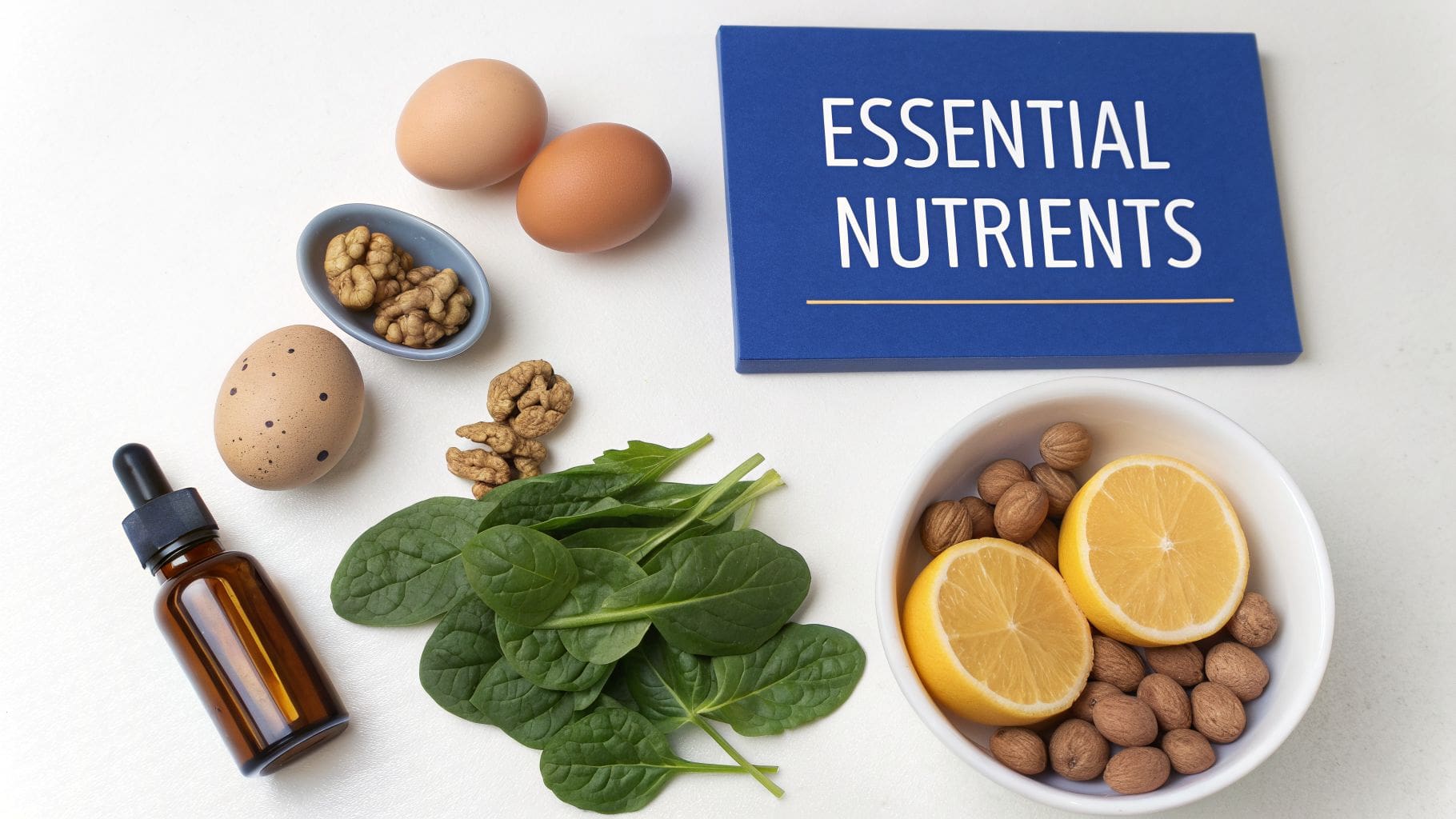
The B Vitamin Family
The B vitamins are fundamental for countless brain processes, especially the creation of serotonin and dopamine. Two of them are particularly important for mental wellness.
- Folate (Vitamin B9): This vitamin is crucial for healthy neurological function, and low folate levels are consistently linked with depression. Some people have a genetic variation (like the MTHFR gene mutation) that makes it harder for their body to use folate, increasing their risk for a deficiency.
- Vitamin B12: A B12 deficiency can cause symptoms that look a lot like serious mental illness, including paranoia, memory problems, and severe depression. Since B12 is found almost exclusively in animal products, this is a major concern for anyone following a plant-based diet.
B vitamins are water-soluble, which means your body can't store them for long. You need a daily supply from foods like leafy greens, eggs, legumes, and lean meats to keep your brain chemistry on track.
Vitamin D The Sunshine Vitamin
Most people know Vitamin D is important for bone health, but it also functions like a hormone in your brain. Brain regions tied to mood regulation have a high number of Vitamin D receptors. As a result, research shows a clear link between low Vitamin D levels and an increased risk of depression, especially seasonal affective disorder (SAD).
For those of us living in states like Pennsylvania, where long winters limit sun exposure, it can be a real challenge to maintain healthy Vitamin D levels. While some comes from fatty fish and fortified dairy, sunlight is the best source. Supplementation is often a necessary step to fill the gap.
A nutrient deficiency isn't just a minor issue; it's a physiological roadblock that can prevent your brain from functioning correctly. Identifying and correcting these deficiencies with targeted food choices or supplements, when clinically indicated, can be a game-changer for your mental health.
Magnesium And Zinc The Calming Minerals
Magnesium and zinc are two minerals that play a critical role in managing your brain's response to stress.
- Magnesium: This mineral is involved in over 300 enzymatic reactions, many of which are in the brain. It helps regulate your stress response and has a calming effect on the nervous system. Low magnesium is tied to anxiety, irritability, and insomnia. You can find it in almonds, spinach, and black beans.
- Zinc: Essential for healthy nerve signaling, zinc helps protect your brain from damage and regulates how your body responds to stress. A deficiency has been linked to depressive symptoms and cognitive problems. Good sources include lean meats, pumpkin seeds, and chickpeas.
Omega-3 Fatty Acids Brain Building Blocks
Omega-3s are the literal building blocks of your brain. These essential fats, especially EPA and DHA, make up a huge part of your brain's physical structure and are vital for healthy communication between brain cells.
Omega-3s are also powerful anti-inflammatory agents. A diet low in these healthy fats is associated with a higher risk for several mood disorders. For a more detailed look, you can read our guide on using Omega-3s for depression. The best sources include fatty fish like salmon and mackerel, plus plant-based options like walnuts, chia seeds, and flaxseeds.
A thorough assessment at a practice like IPA can screen for these common deficiencies. This allows us to create a personalized plan to restore nutritional balance and support your mental health from the ground up.
Integrating Nutrition Into Modern Psychiatry
Understanding the science that connects nutrition and mental health is the first step. The next, more important step is actually putting that knowledge to work in a clinical setting. In modern psychiatry, a patient's diet is no longer an afterthought. We now treat it as a vital sign—just as important as tracking sleep or blood pressure.
This is a core part of our philosophy at IPA Integrative Psychiatry of America. When a provider like Christopher Clark, MSN, PMHNP-BC, conducts a whole-person assessment for conditions like ADHD, depression, or anxiety, he’s looking beyond the surface symptoms. The goal is to understand all the interconnected factors influencing your well-being, and nutrition often takes center stage.
This approach bridges the gap between theory and practice, creating a much more complete and effective treatment plan for every patient we see.
Personalized Nutrition Counseling Via Telehealth
Integrating nutrition into your care isn't about handing you a generic food pyramid pamphlet. It's a highly personalized process, delivered conveniently through telehealth to our patients all across Pennsylvania. Our aim is to pinpoint and address the specific nutritional factors contributing to your mental health challenges.
This process has several practical applications:
- Medication and Nutrient Interactions: Many psychiatric medications can change how your body absorbs or uses certain nutrients. For instance, some stimulants used for ADHD can suppress appetite, while certain mood stabilizers may deplete folate. We proactively manage these depletions to support your treatment and minimize potential side effects.
- Targeted Dietary Guidance: We provide specific, actionable advice based on your symptoms and lifestyle. For someone dealing with anxiety, this might mean focusing on magnesium-rich foods to help calm the nervous system. For a patient with depression, we may emphasize omega-3s and B vitamins to better support neurotransmitter production.
This guidance is designed to be synergistic. Nutrition becomes a powerful partner to your medication and therapy, often boosting their effectiveness and leading to better, more sustainable results.
Using Lab Screenings for Deeper Insights
Sometimes, simply changing your diet isn't enough. There can be underlying biological factors that prevent your brain from getting the nutrients it needs to function well. This is where advanced lab screenings become incredibly valuable tools.
For example, a simple blood test can reveal a significant Vitamin D deficiency, which has strong links to depression. Another key screening we use is for genetic variations like the MTHFR gene mutation. This common variant impairs the body’s ability to convert folate into its active form—a critical step for making serotonin and dopamine. Identifying this allows us to recommend targeted supplementation with an activated form of folate, L-methylfolate, which bypasses that genetic roadblock entirely.
Nutrition is not a replacement for medication or psychotherapy but a powerful, collaborative component of a complete treatment plan. It empowers patients with tangible, daily actions they can take to actively improve their brain health.
This level of detail is a cornerstone of our work. You can learn more about our complete method by exploring our guide to revolutionizing mental health with the integrative psychiatry approach.
The link between financial stability, access to food, and your mental state is also undeniable. Recent UK data found that people with mental health conditions are over twice as likely to be food insecure (28% vs. 10.7%). Among those struggling to afford food, 72% reported increased anxiety and 67% experienced worse depression, which creates a vicious cycle. For our Pennsylvania clients, particularly first responders or gamers who face unique stressors, combining treatments like Suboxone with personalized counseling, exercise, and nutritional strategies helps break this cycle. You can read the full research about these findings on mental health and food insecurity.
Start Improving Your Mental Nutrition Today
We’ve covered a lot of ground, connecting the dots from the gut-brain axis and inflammation to the specific micronutrients your brain needs to function well. The evidence is clear: what you eat has a direct impact on your mental health. Now, it's time to put that knowledge into practice.
Making meaningful changes doesn't mean you have to overhaul your entire diet overnight. In fact, that approach often backfires. Real progress starts with small, consistent choices that build on each other. Think of it as a quiet investment in yourself—one of the most important steps you can take in managing your own mental wellness.
Progress Over Perfection
You have a direct line to influencing your mood, focus, and resilience with every meal. That’s an empowering tool to have.
This journey is about building momentum, not achieving perfection. Here are a few simple ways to begin:
- Add one fruit or vegetable to your plate each day. Think of it as adding a new color.
- Swap one sugary soda or juice for a glass of water.
- Choose a whole-food snack, like a handful of walnuts or an apple, instead of a processed pastry.
These small wins create the foundation for lasting change. They add up faster than you think.
Taking control of your nutrition is one of the most practical tools available for mental wellness. It gives you a tangible way to support your brain and body, day in and day out.
Take the Next Step in Pennsylvania
If you’re in Pennsylvania, especially in the Philadelphia area, and dealing with anxiety, depression, or ADHD, you don’t have to put all these pieces together on your own. A truly integrative plan can make all the difference.
At IPA Integrative Psychiatry of America, we help you understand the link between your diet and your mental health. We combine evidence-based psychiatric care with personalized nutritional guidance, creating a plan that supports your entire system.
Find out how an integrative approach can help you achieve lasting well-being. Schedule your appointment online today and start your journey toward a healthier, more balanced life.
Frequently Asked Questions About Nutrition and Mental Health
Navigating how nutrition impacts mental health brings up a lot of practical questions. As you start connecting what you eat with how you feel, it’s normal to wonder about the specifics.
We've gathered some of the most common inquiries we hear from patients and provided clear, evidence-based answers to help you get started on the right foot.
Can Changing My Diet Replace My Medication?
This is a critical question. The answer is clear: nutrition is a powerful complementary therapy, not a replacement for prescribed medication. Think of your diet as a foundational support system that works alongside your primary treatment plan.
Improving your nutrition can actually make your medication more effective. A well-nourished brain often responds better to psychiatric treatments. In some cases, under careful medical supervision, positive dietary changes may eventually allow for a reduction in medication dosage.
However, you should never stop or change your medication without consulting your healthcare provider. Doing so can be dangerous and lead to a significant worsening of symptoms. Nutrition is a partner to your care, not a substitute.
How Long Until I See Mental Health Improvements?
Setting realistic expectations is key to staying motivated. While some people report feeling better within a few weeks, significant and lasting change is usually a more gradual process.
Your brain chemistry and gut microbiome did not shift overnight, and they won't rebalance overnight, either. Think of it like this: you won't see a full bloom the day after you plant a seed. It takes consistent care over weeks and months for the garden to flourish. Lasting mental health improvements from nutrition build steadily as your body repairs and rebalances itself.
What Are Three Simple First Steps?
Getting started doesn't have to feel overwhelming. Small, manageable actions that you can build on over time are the best approach. Here are three simple, high-impact steps you can take today:
Swap Sugary Drinks for Water: Cut back on sodas, sweetened teas, and most fruit juices. This single change can dramatically reduce your sugar intake and help stabilize your blood sugar, which directly affects your mood and energy.
Add One Extra Serving of Vegetables: Focus on adding, not just subtracting. Challenge yourself to include one more serving of vegetables in your day, whether it’s a handful of spinach in your eggs or a side salad with dinner. This boosts your intake of essential vitamins and fiber.
Incorporate Omega-3 Fats: Aim to eat a source of omega-3 fatty acids a few times per week. These healthy fats are crucial for brain structure and reducing inflammation. Good sources include fatty fish like salmon, or plant-based options like walnuts and chia seeds.
At IPA Integrative Psychiatry of America, we specialize in creating personalized plans that integrate nutrition with evidence-based psychiatric care to help you achieve lasting results. If you are in Pennsylvania and ready to take a whole-person approach to your mental health, schedule an appointment with us online today.
Generated with Outrank app